
Cordoba was home to the first university in the world, the Al-Qarawiyyin University, founded in 859 AD. In the 10th century Cordoba was the capital of the Islamic Caliphate of Cordoba, rivaling Baghdad and Constantinople in wealth and culture.
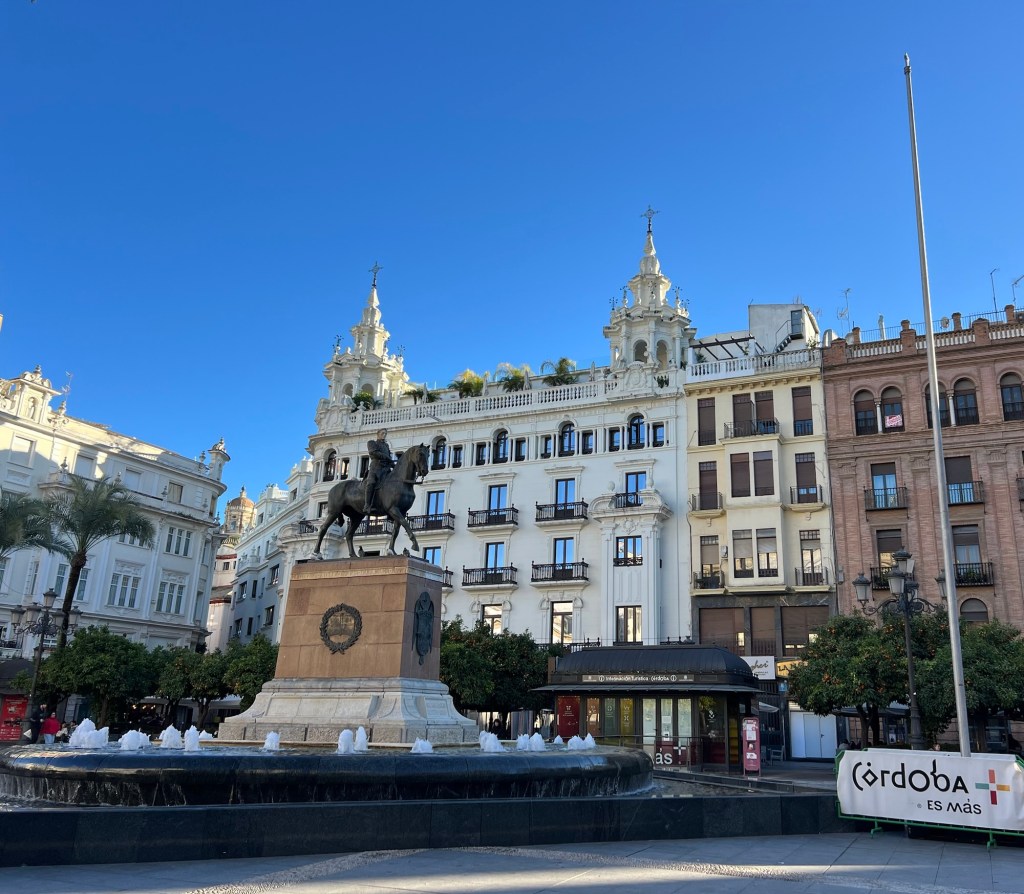
The square has hosted a Christmas market since 2014 and is famous for the celebration of the twelve grapes of New Year’s Eve following the ‘flamenco clock’ of the square.
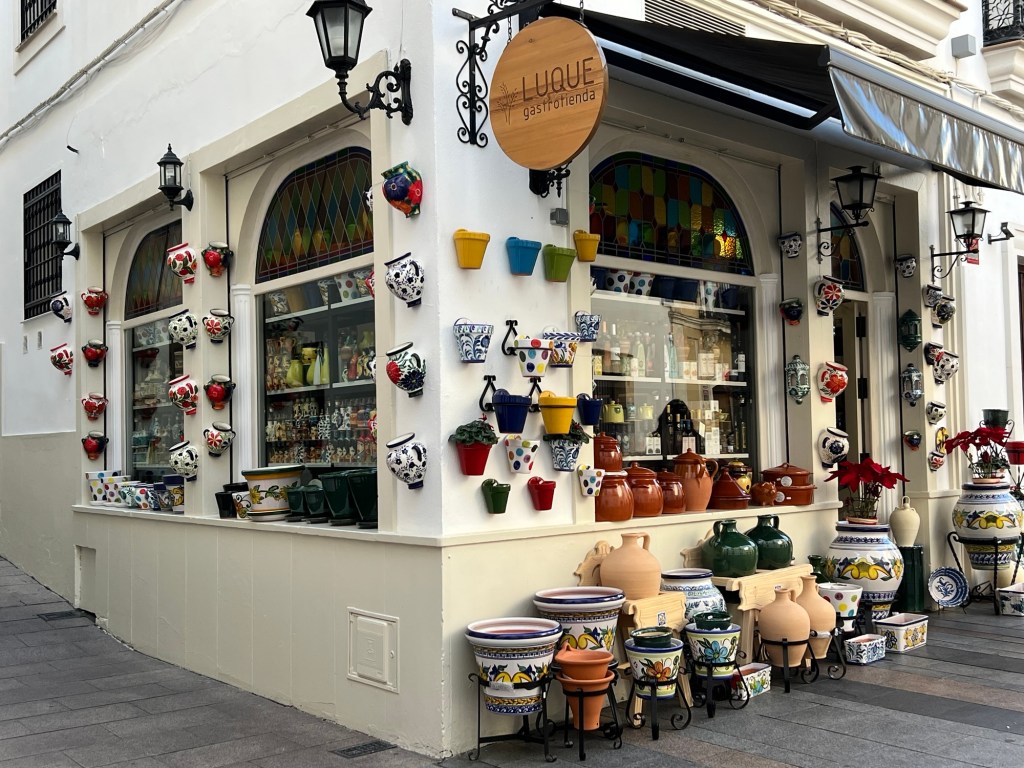
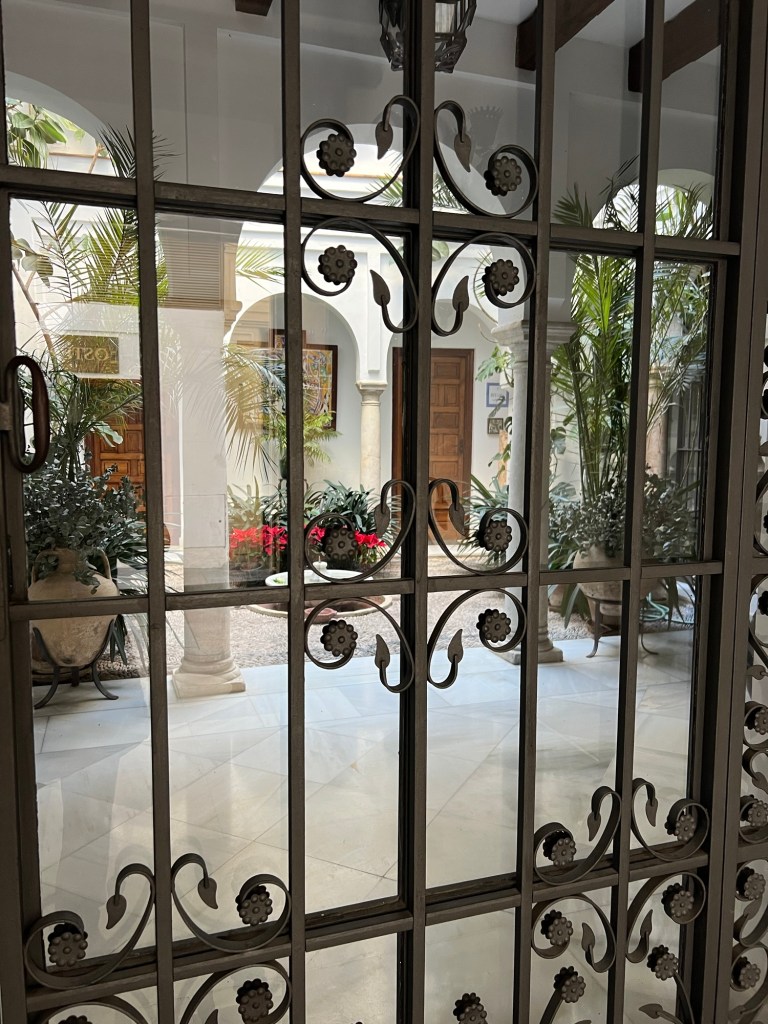
The Patios of Cordoba are festooned with flowers in May during the Patio Festival, a UNESCO Intangible Cultural Heritage.


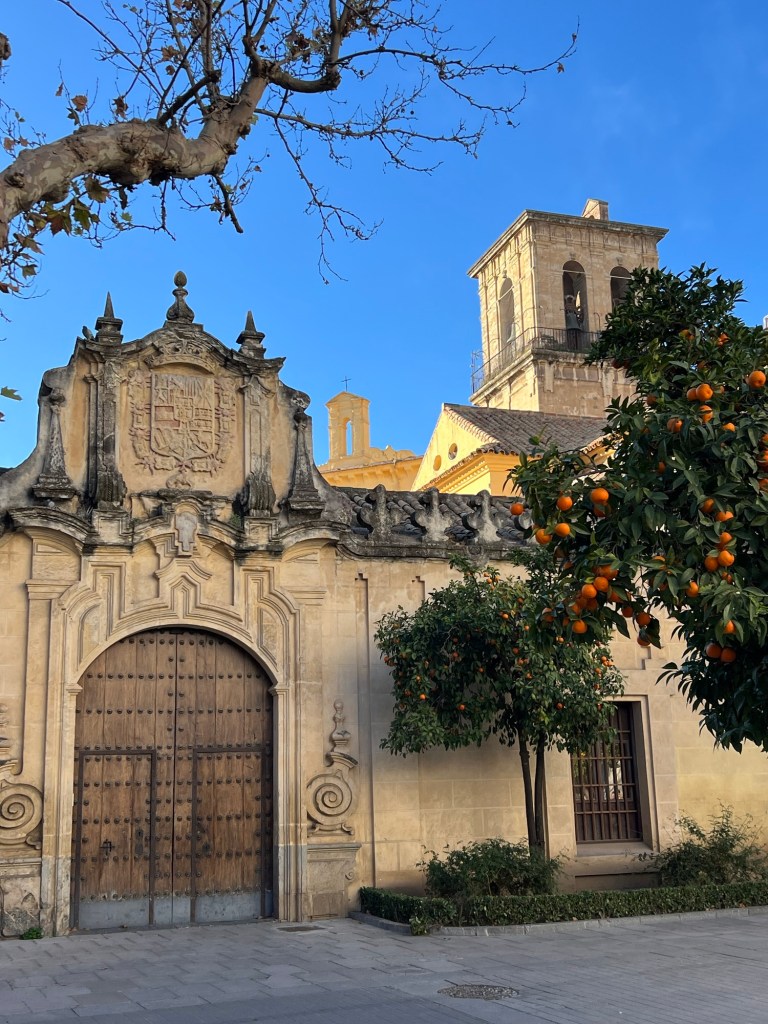
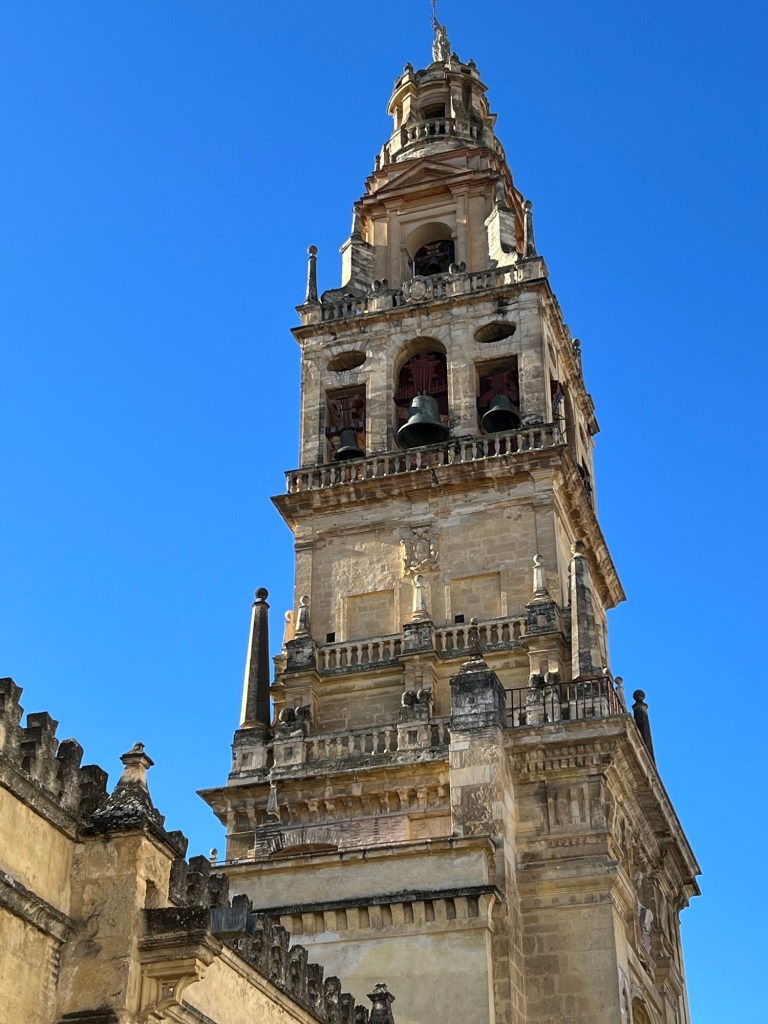

The Mezquita-Catedral is a masterpiece of architecture showcasing a unique blend of Islamic, Gothic, Renaissance and Baroque styles. The above Puerta del Sabat connects the maqsurah with the Umayyad palace.
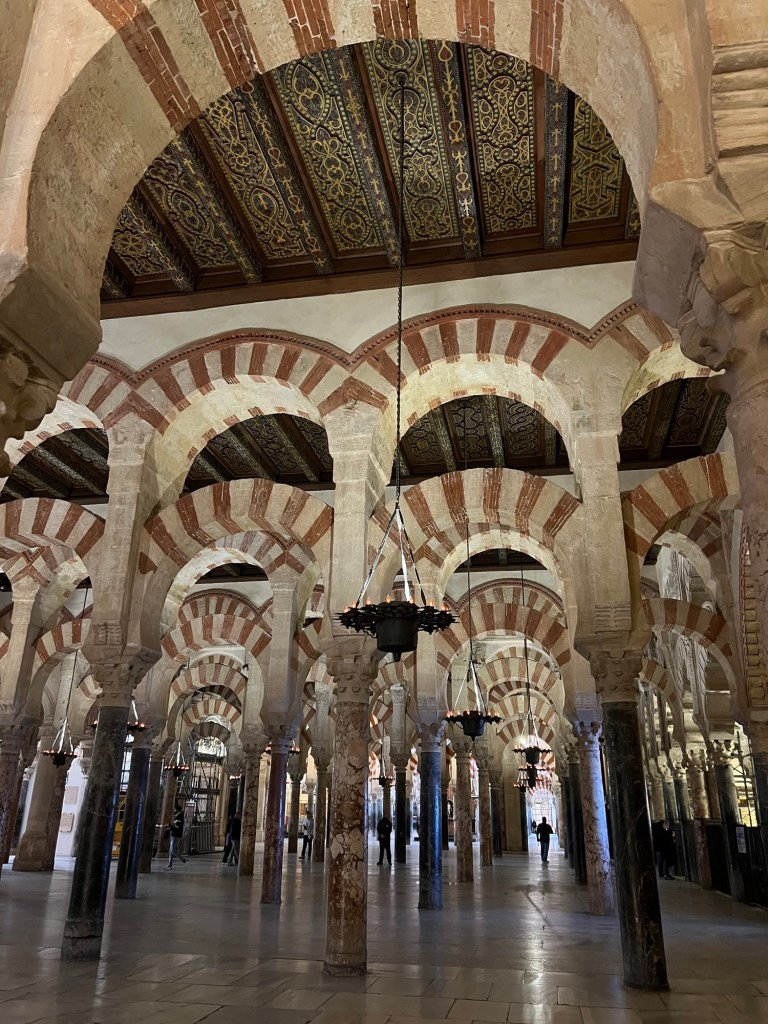
The Christian period of mid 6th century Visigoth Basilica of San Vincente was divided in the 9th century with arrival of the Muslims and was used by both communities. The Muslim period, 786-1236, would involve three enlargements of the Mosque.
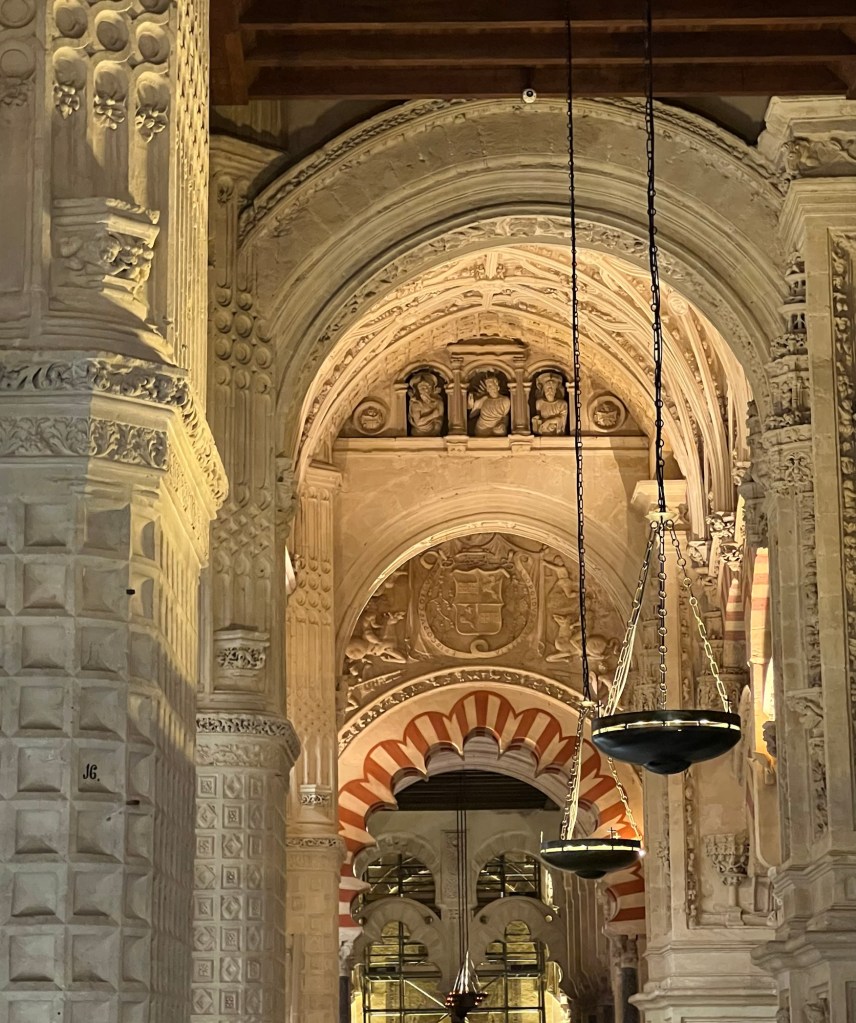
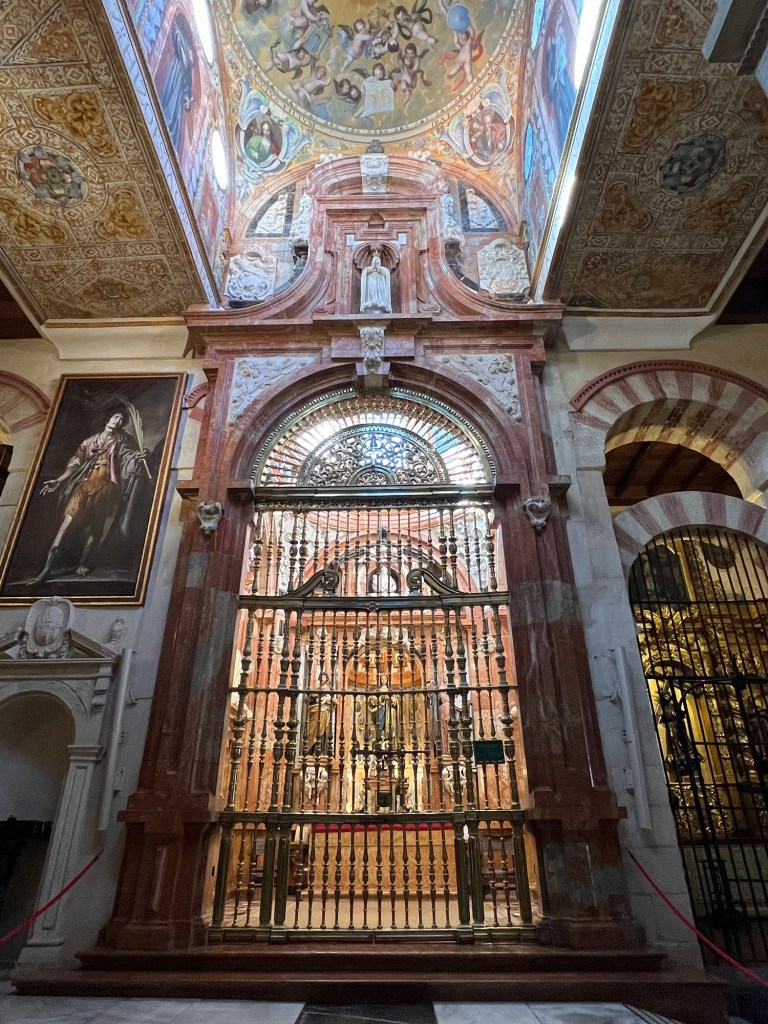
With the conquest of Cordoba in 1236 the Aljama was consecrated as a Catholic church and works were carried out to reflect the new religion with construction of a Main Chapel. Once the Transept was completed in 1607 this space became known as the Villaviciosa Chapel.
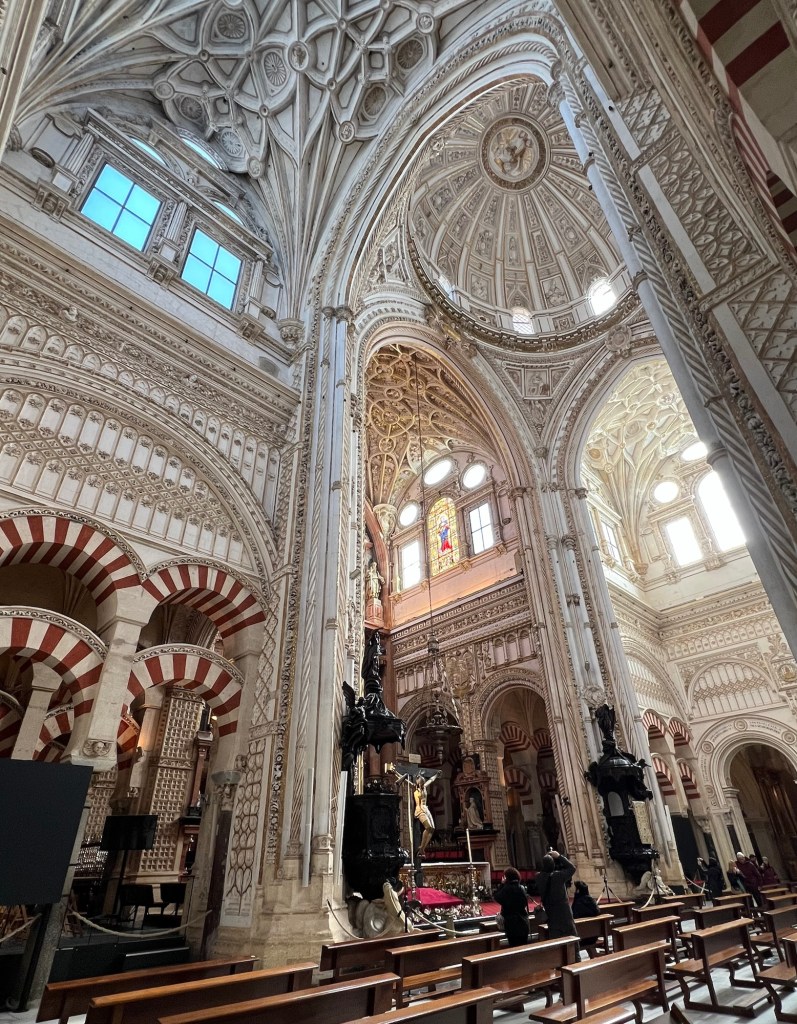
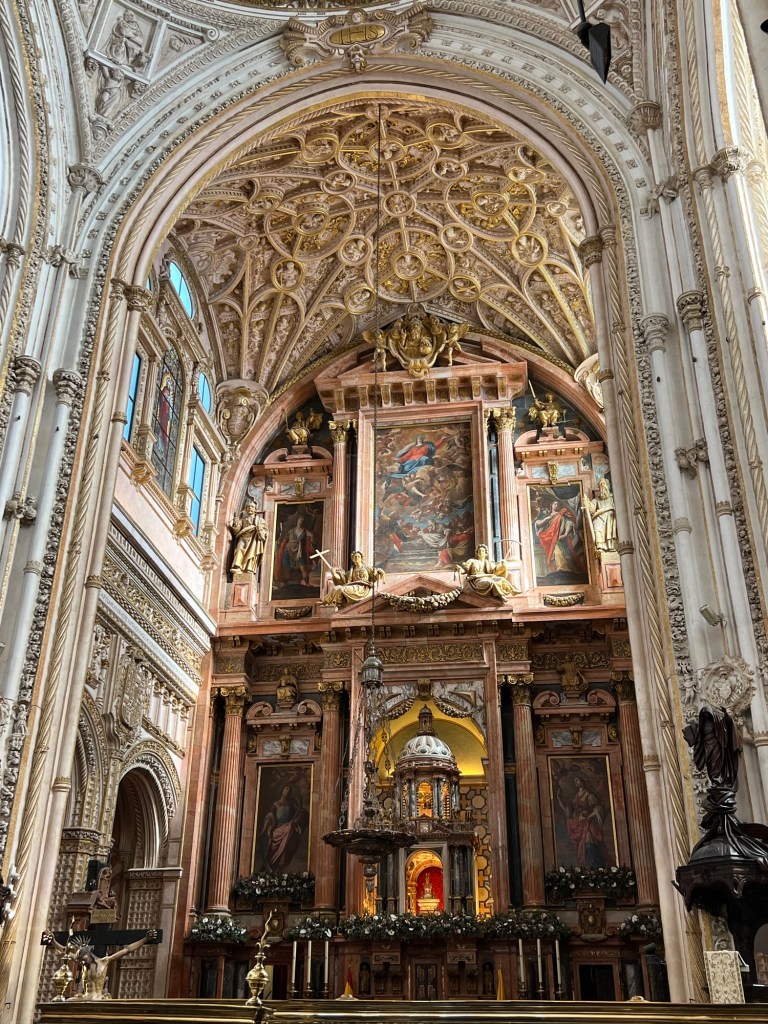
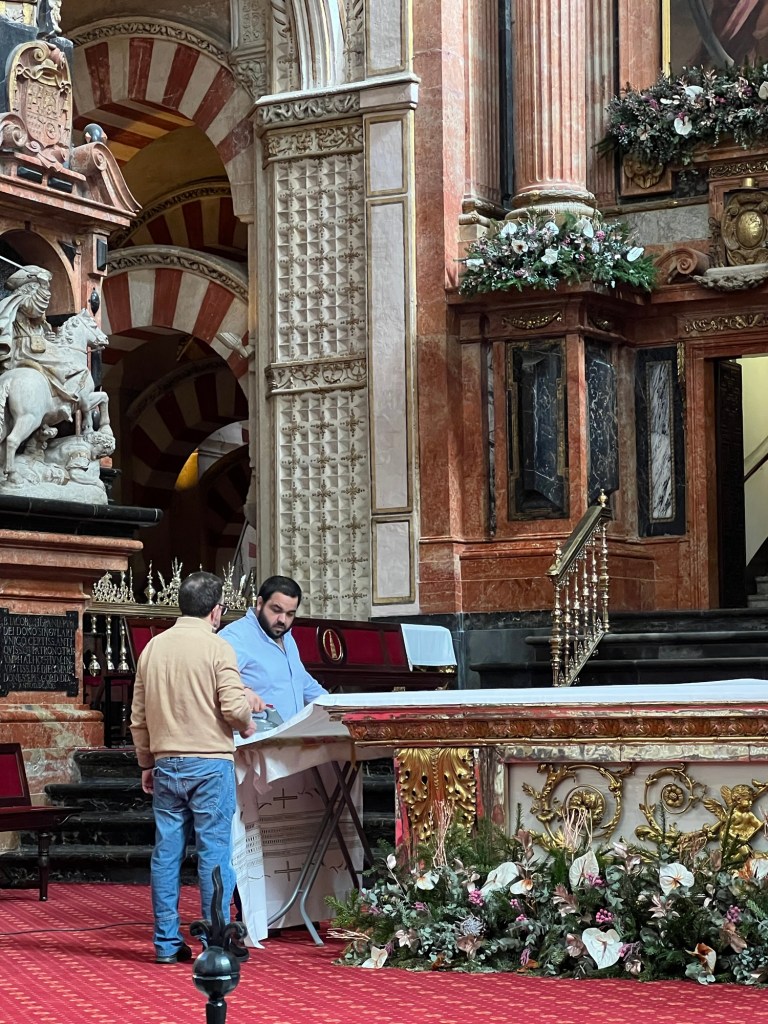
Mindful pressing of the altar cloth

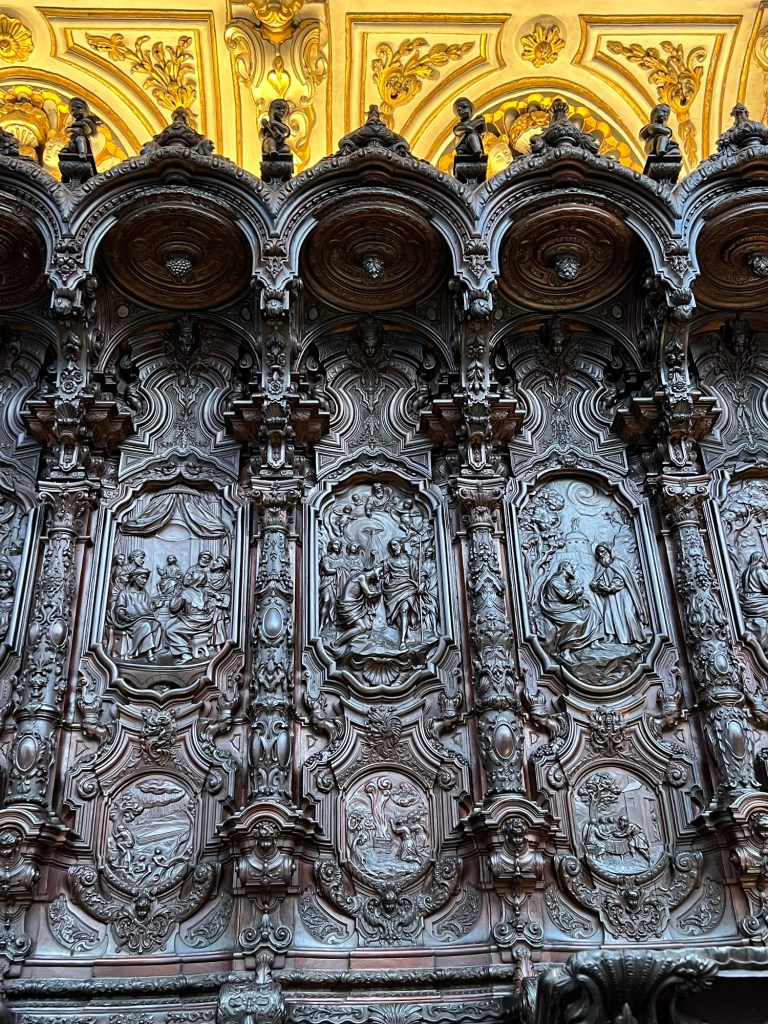
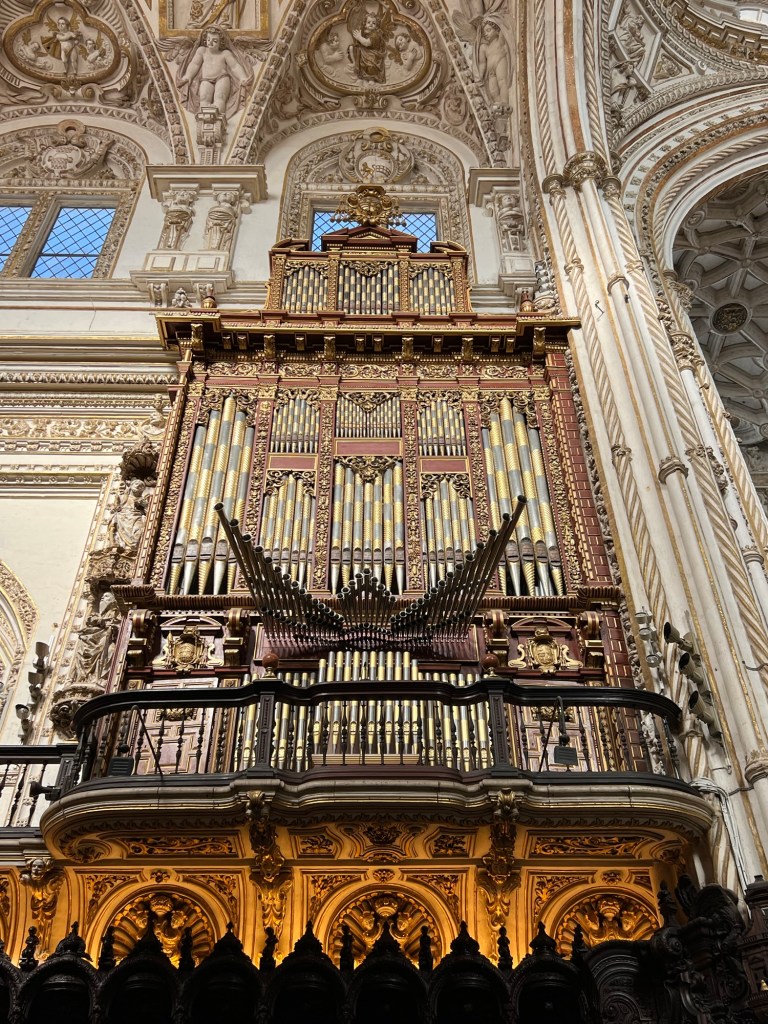
This Gospel Organ (built 1658 by Valencian brothers Miquel and Barnabas Llop) is one of the largest organs in Spain and sits across the nave to the Epistle Organ in the Cathedral. It has around 3500 pipes and has been adapted to new technologies using a digital transmission system which allows for a total of 108 registers to be obtained and an almost infinite configuration of sets. The organ is presently in use each day.
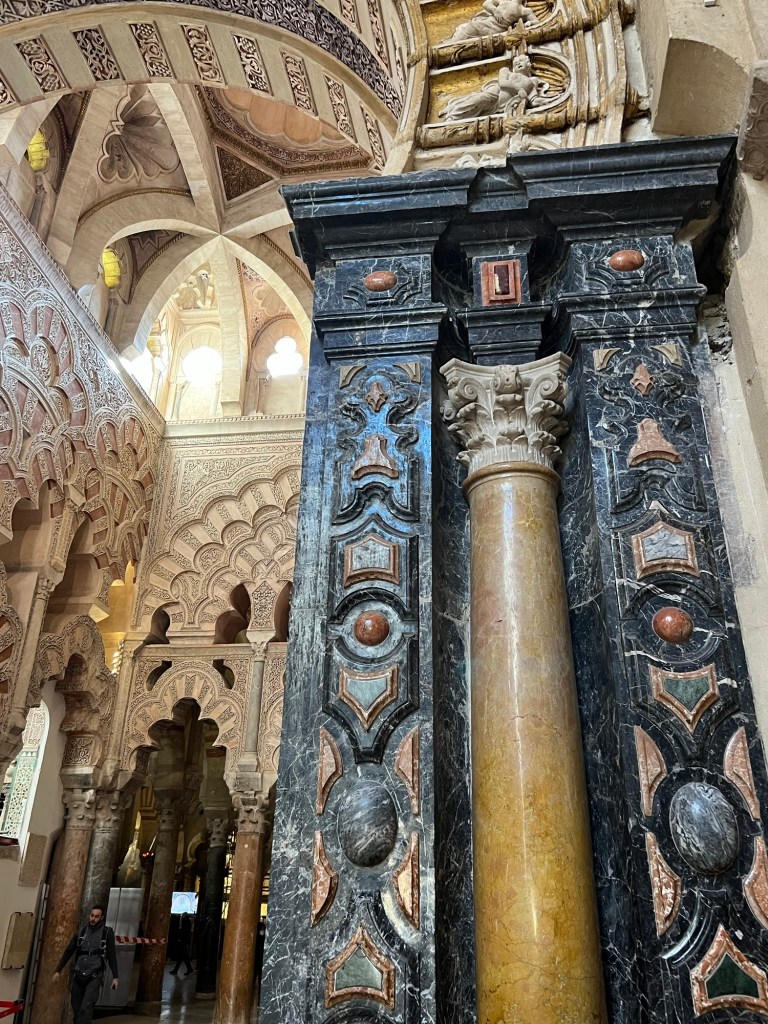
The current building has approximately 850 columns made of jasper, onyx, marble, granite and porphyry.

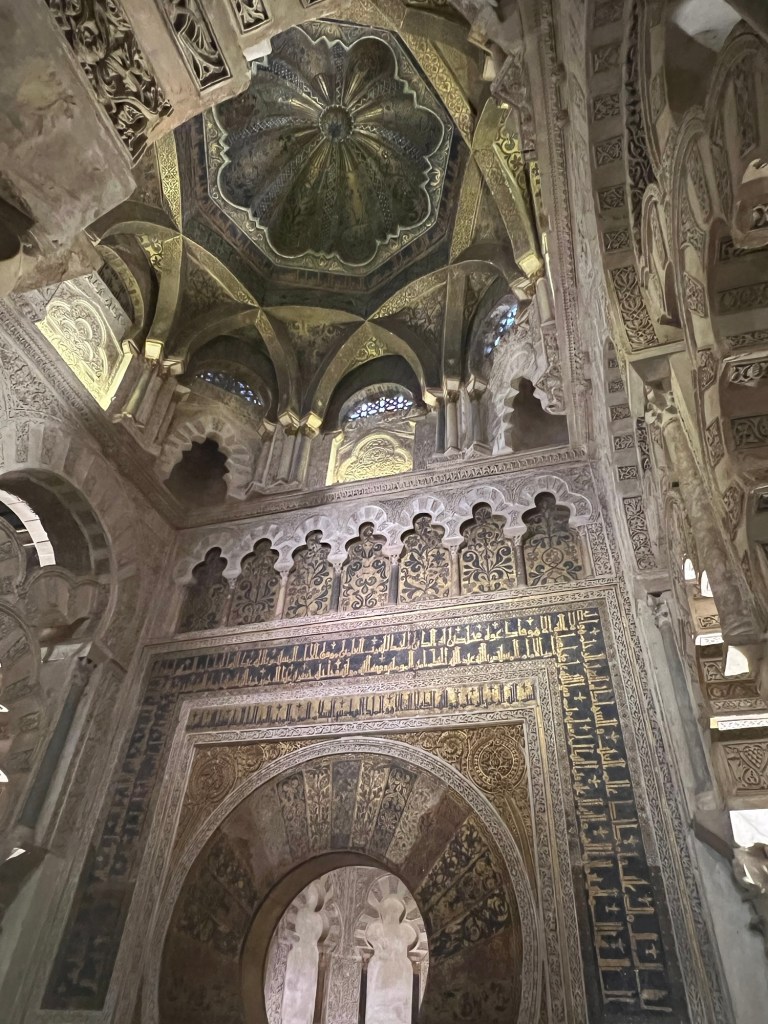
The mihrab and focal point in the prayer hall.
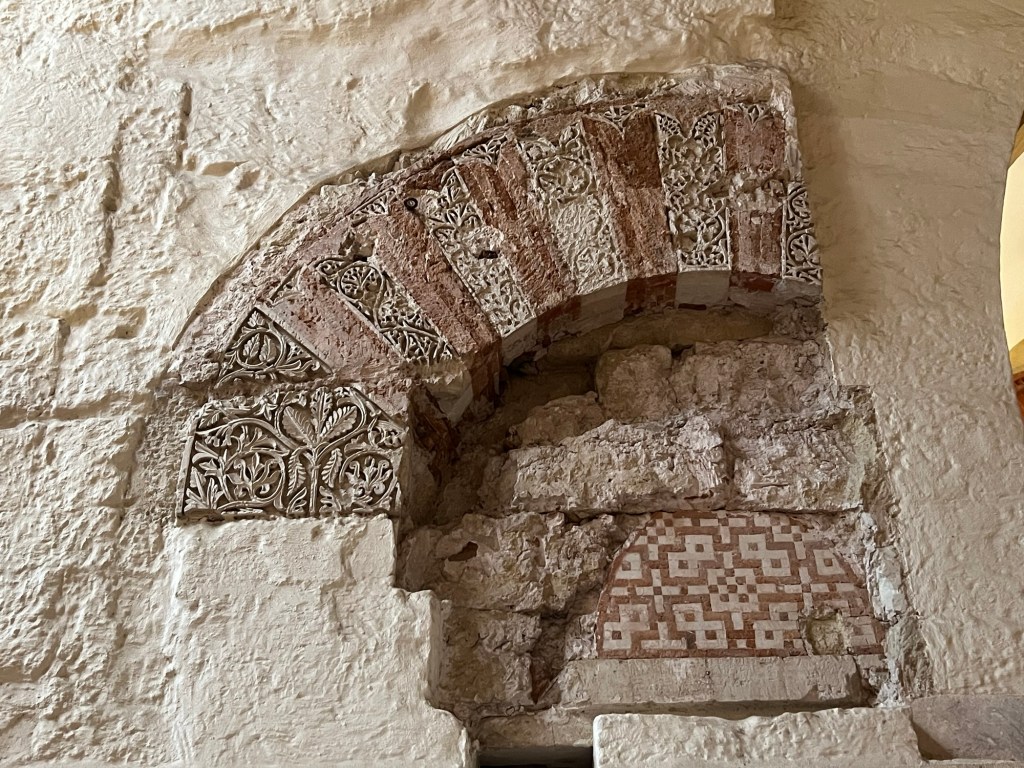
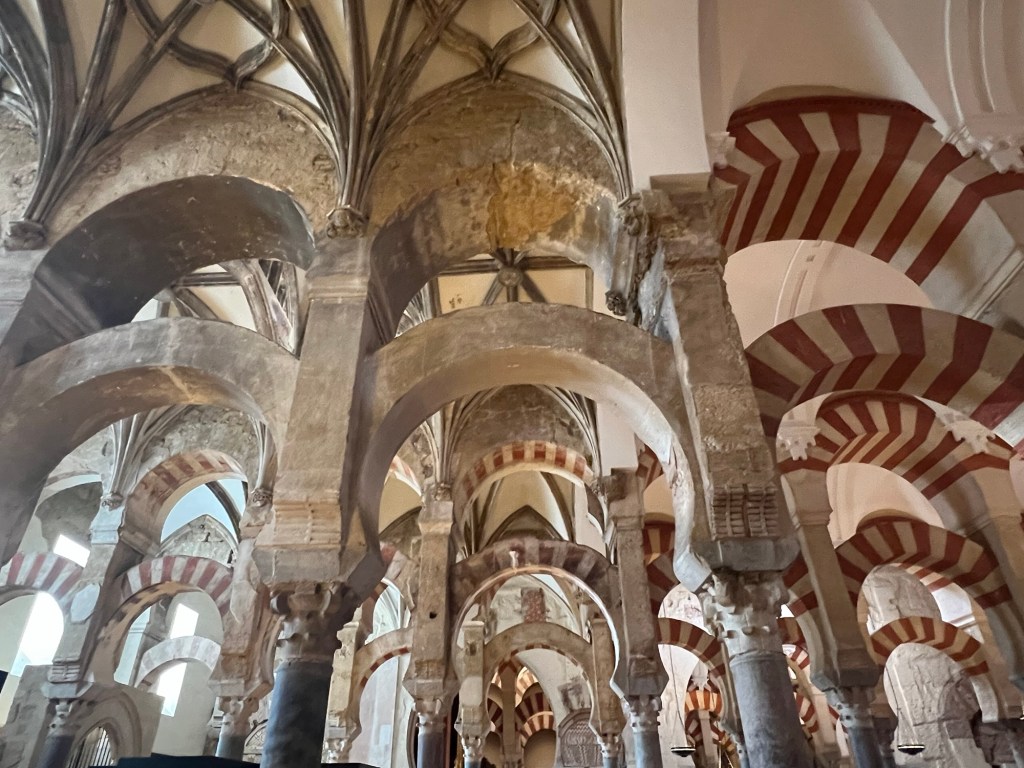
Ongoing maintenance in preserving the authenticity of this monument
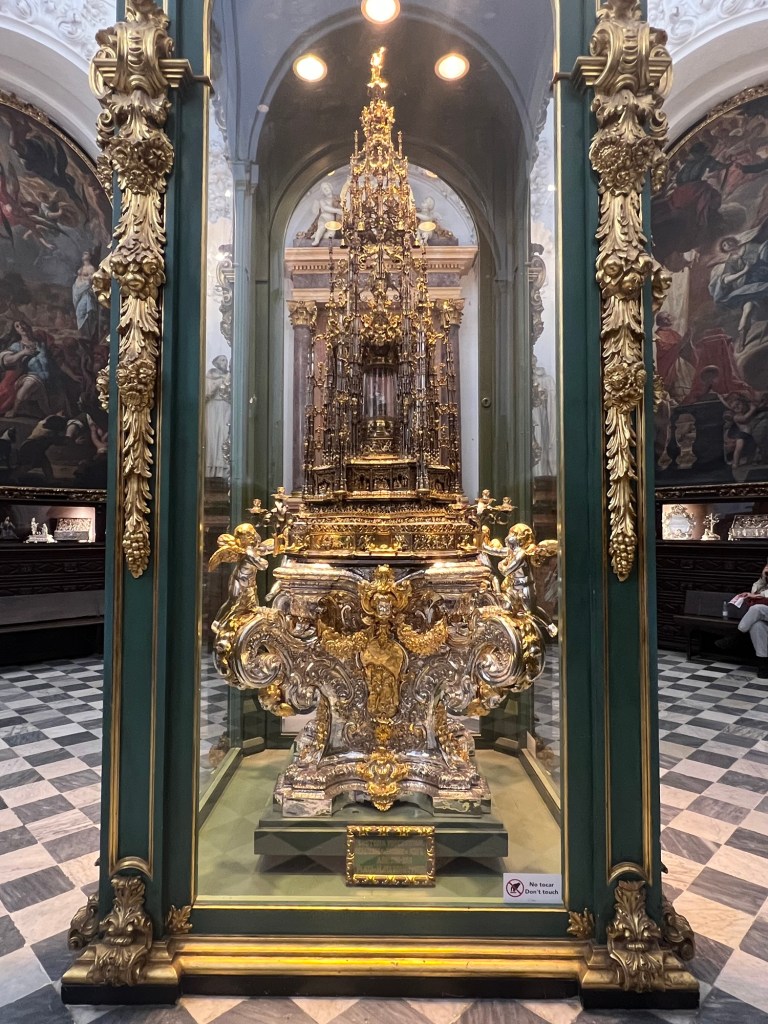
The Mosque-Cathedral continues to serve as the city’s cathedral and Mass is celebrated there daily.
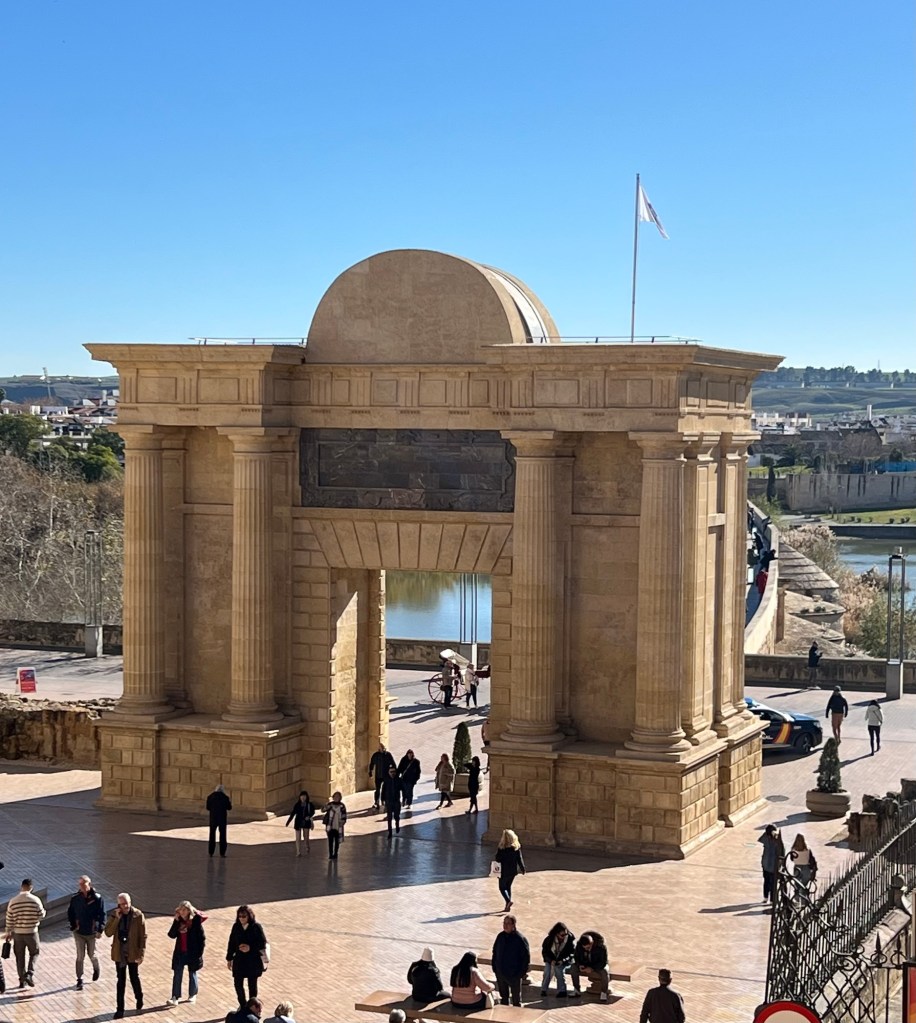
The Puerta del Puente is a Renaissance gate, linking the city with the Roman bridge, was built in the 16th century to commemorate a visit by King Philip II
The Roman Bridge has been rebuilt several times since it original construction in the 1st century BC
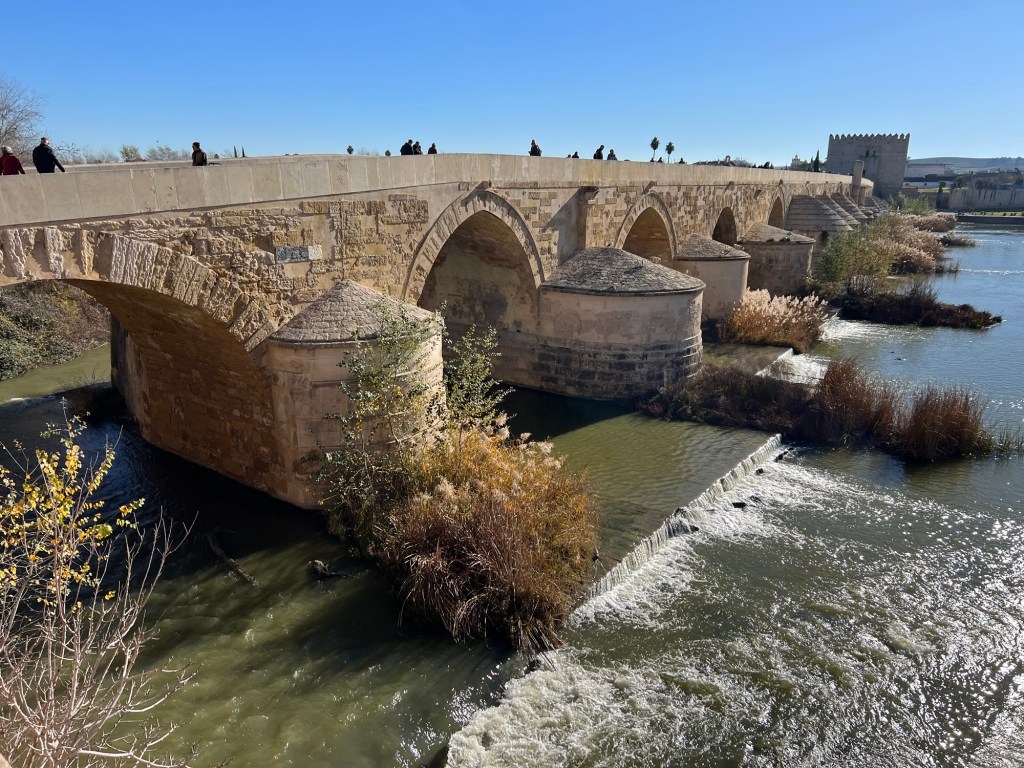
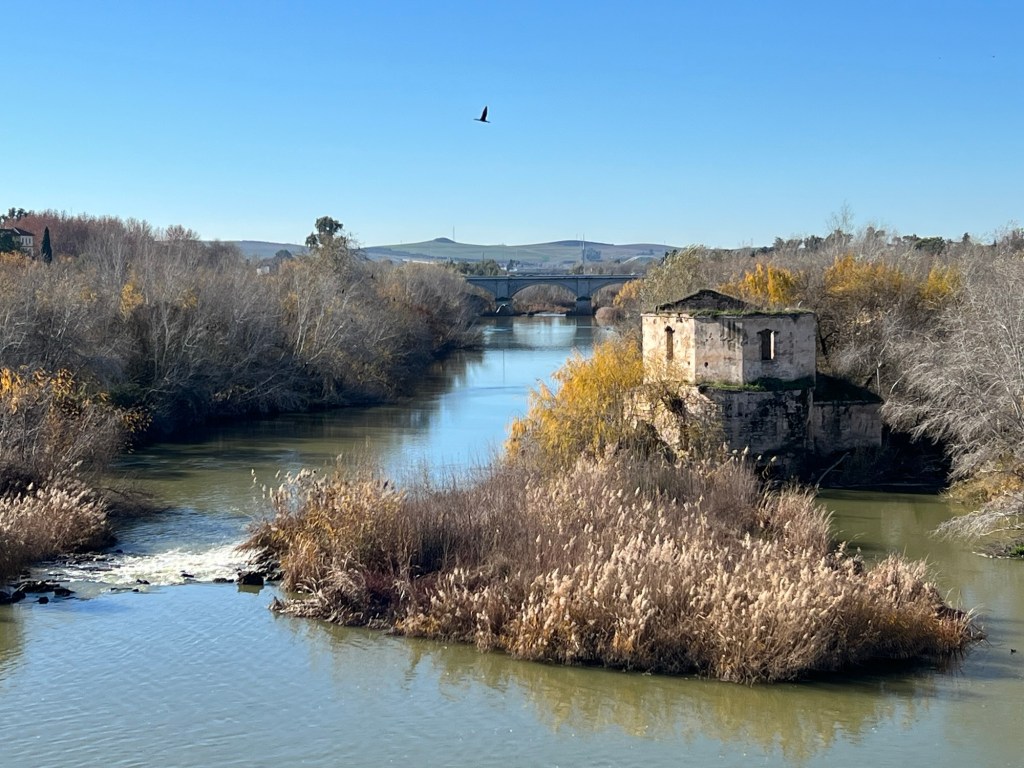
The Guadalquivir River is lined with historic watermills.

 Tea with Tanner ...somewhere
Leave a comment