
The origin of the earliest settlement of present day Barcelona is unclear. The ruins of an early settlement have been found, including different tombs and dwellings dating to earlier than 5000 BC. Archeological evidence in the form of coins from the 3rd century BC have been found on the hills of Montjuic.
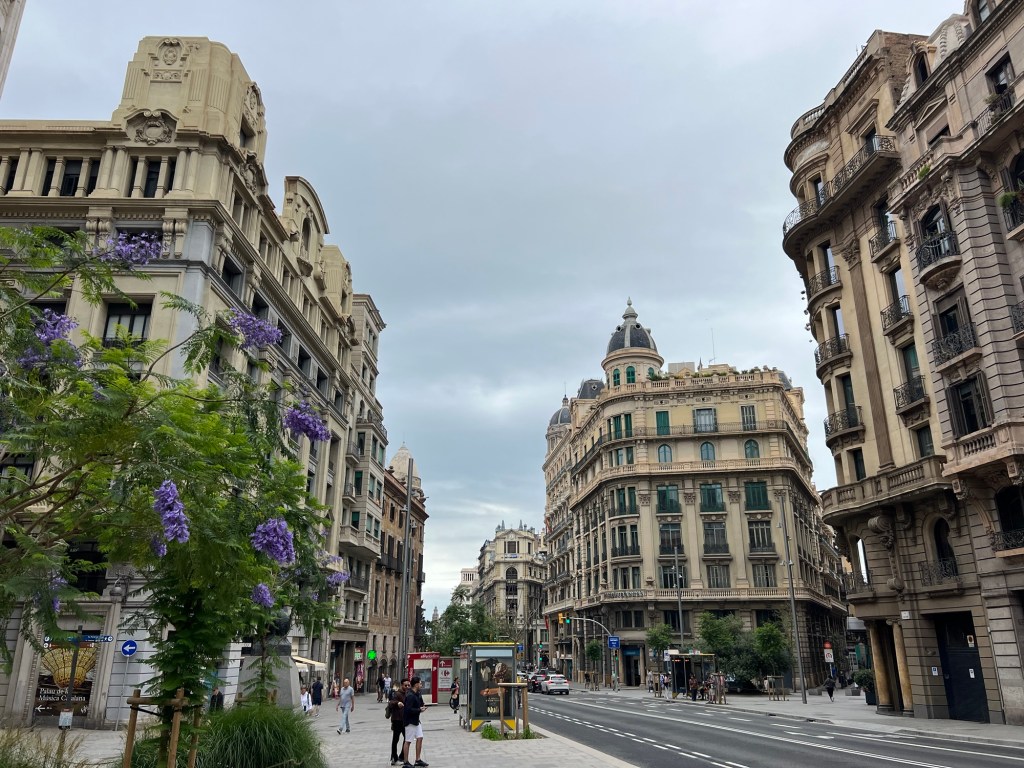
Barcelona is the cosmopolitan capital of Spain’s Catalonia region and is known for its art and architecture.
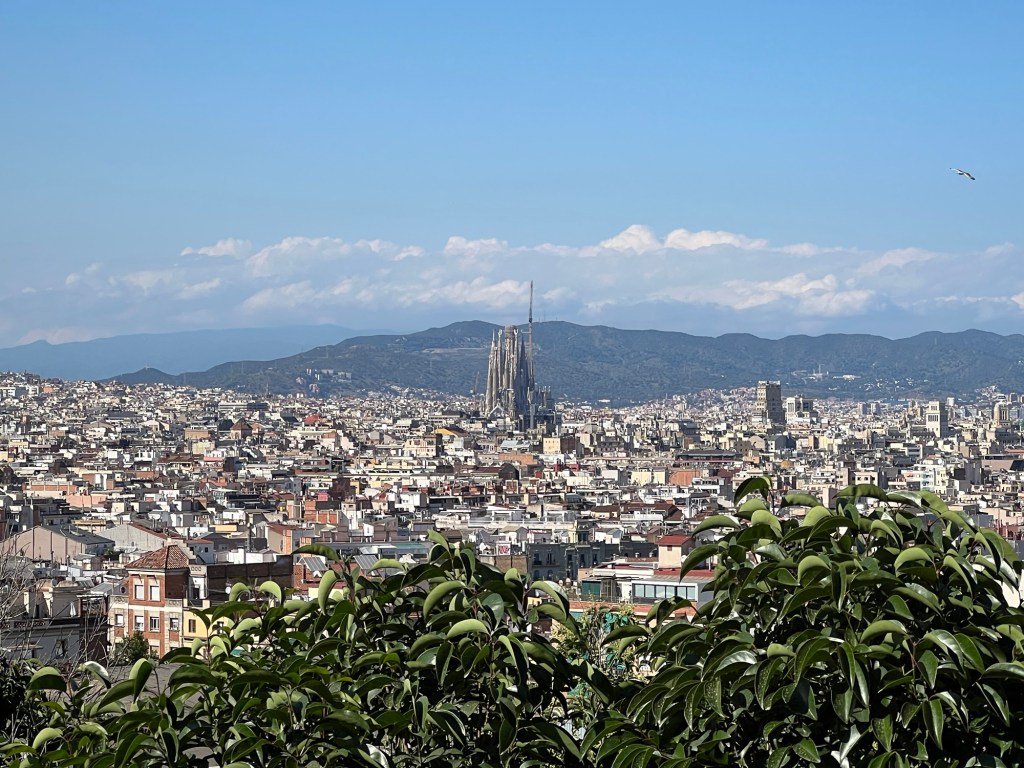
View from the terrace of Palau Nacional de Montjuic with Basilica de la Sagrada Familia prominent
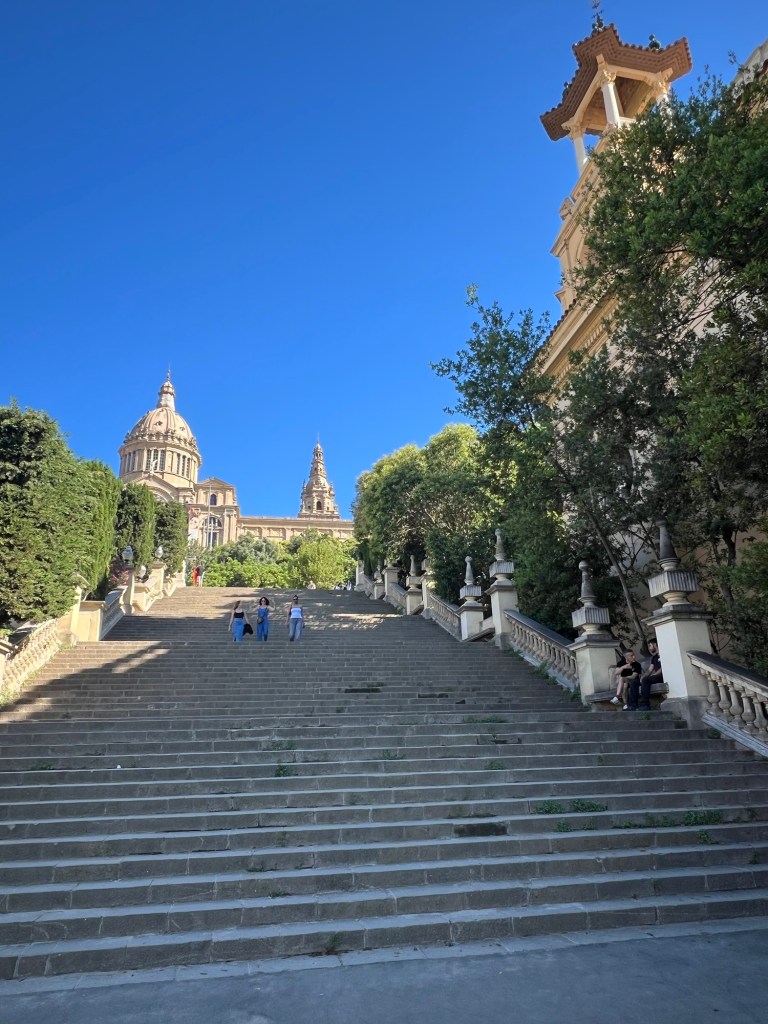
Lots of steps to the Palau Nacional

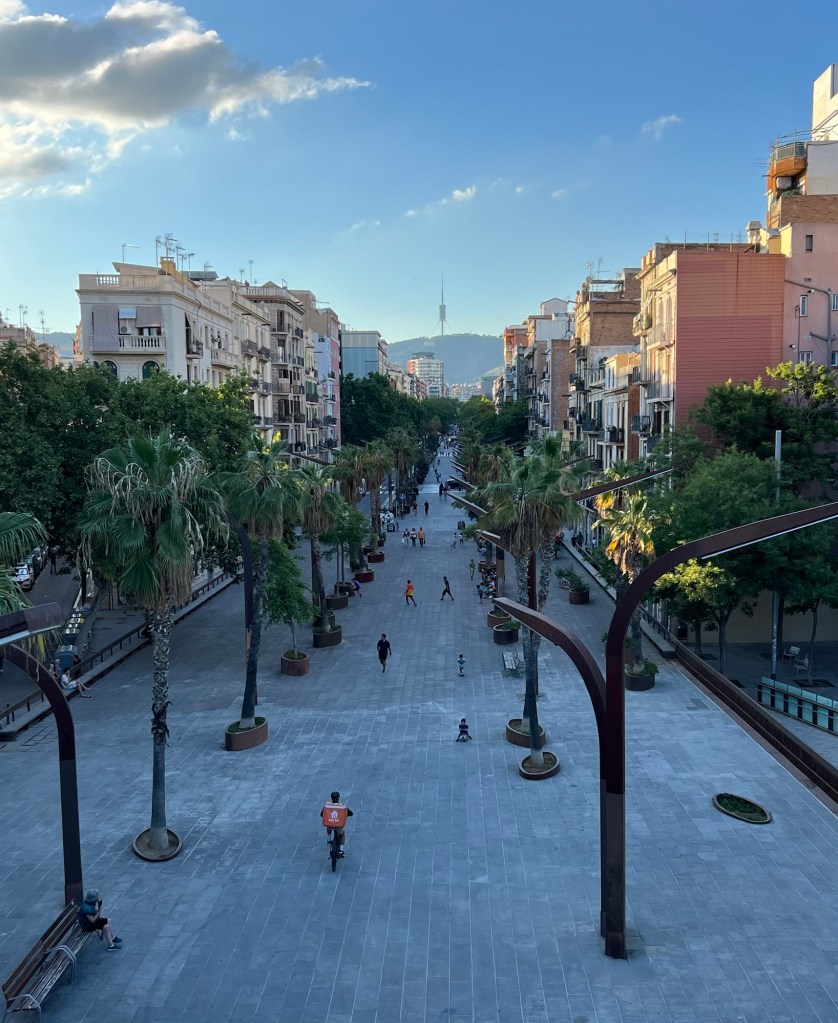
The city has wonderful walking spaces. Torre de Collserola in the distance
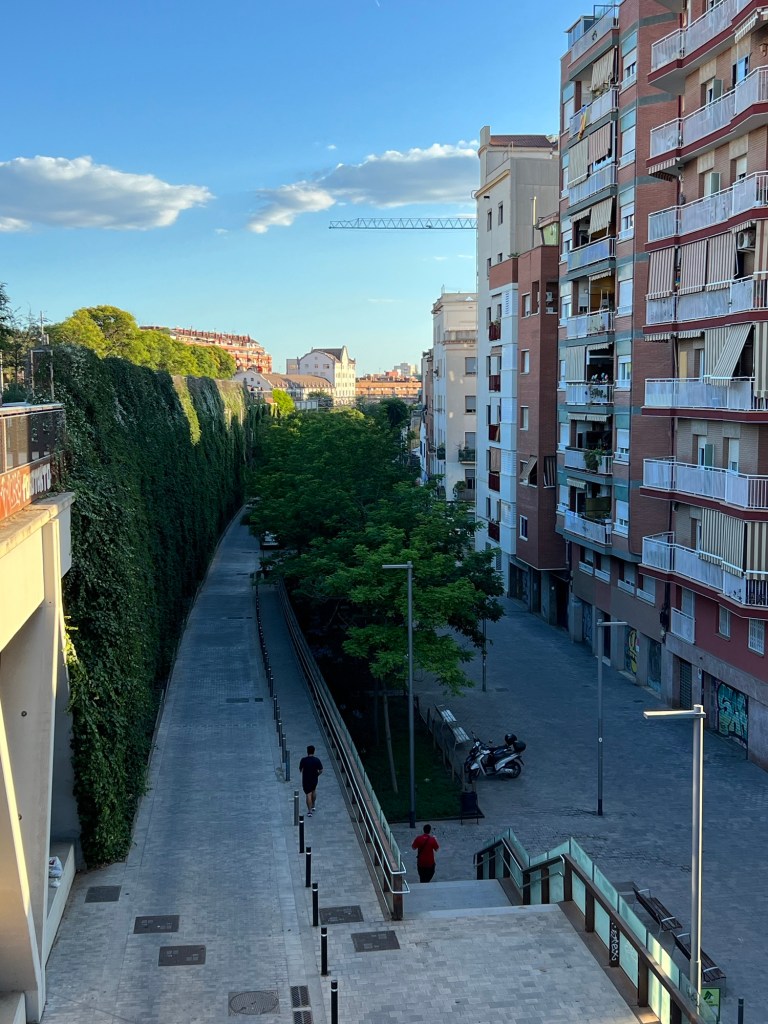
On weekends many city streets are blocked from car travel and become large promenades
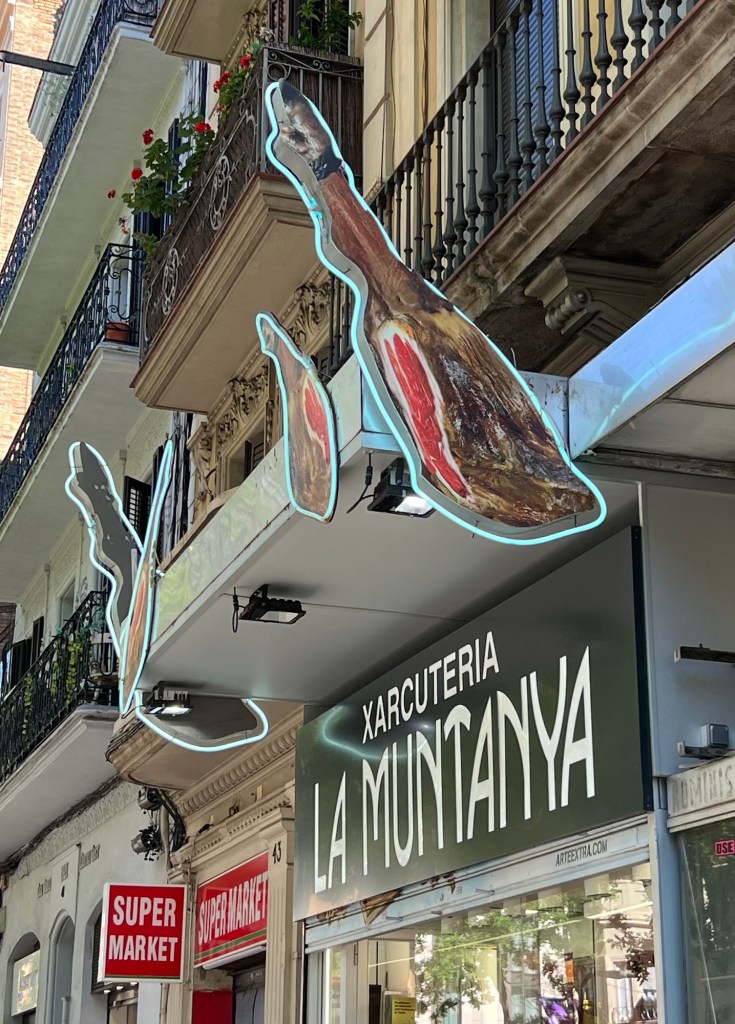

A one stop shop for your Vino, Queso Manchego and Jamon Iberico
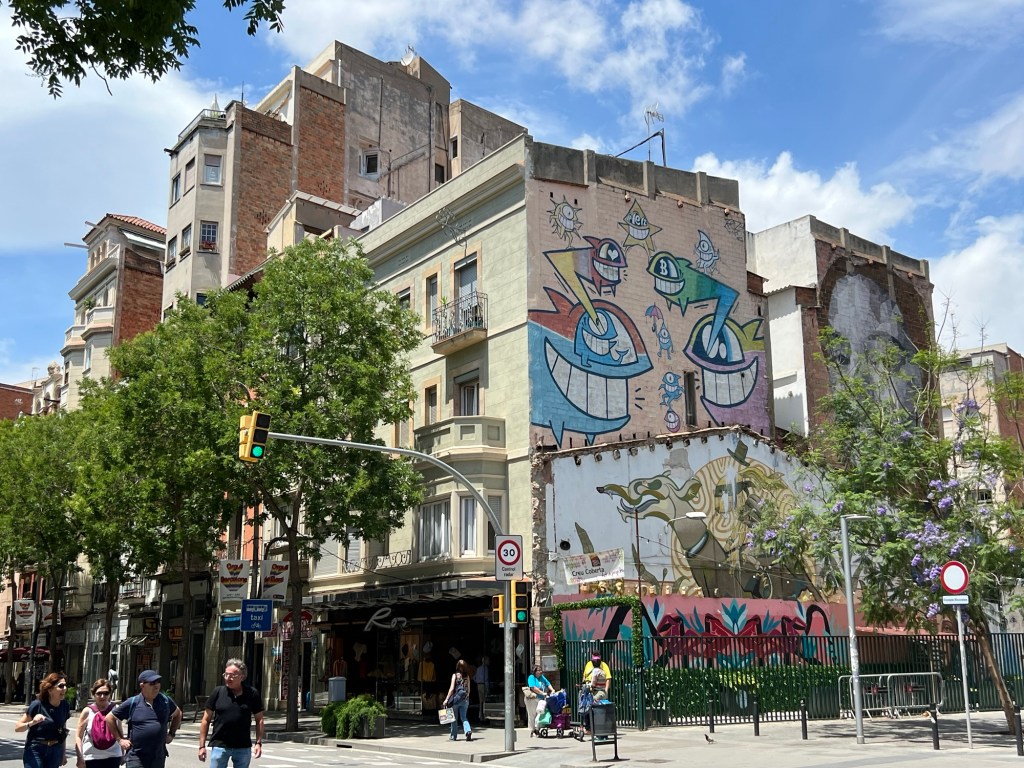
Hostafrancs neighborhood where I stayed
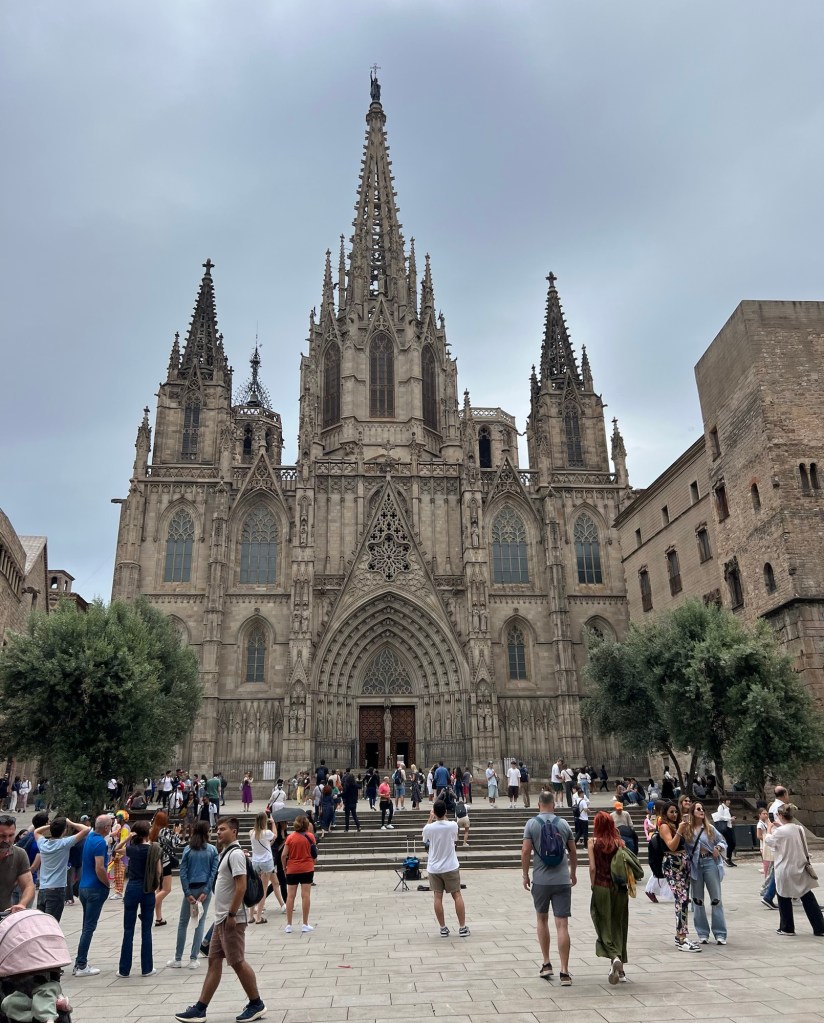

The El Born market was the first large wrought iron building in Barcelona. The lightweight materials – metal, glass, brick and ceramics – made it possible to create large structures quickly, economically and easily, without any need for huge foundations. Without intending to, this protected the El Born site. inaugurated in 1876, it initially housed the market that used to take place in Placa del Born and the old fish market that had existed since medieval times. This archeological site, below the market floor, shows homes of this area of the Ribera from 1700 and pays homage to the 1714 Siege of Barcelona.
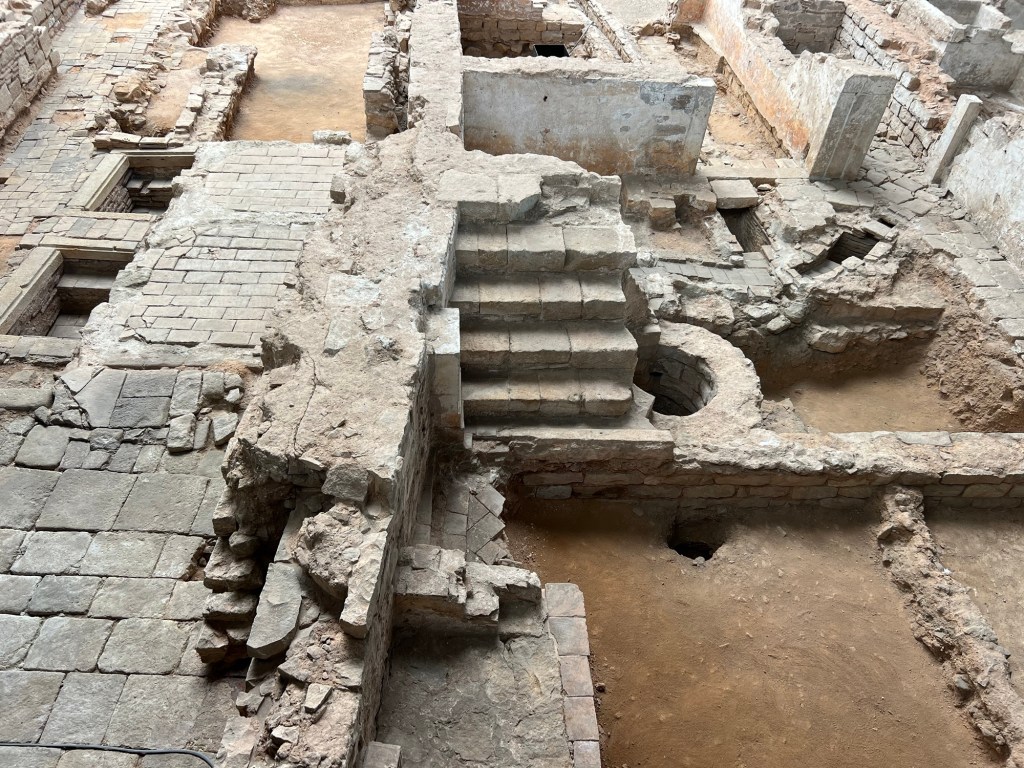
View of the brandy distilling installation in the Baxadors house
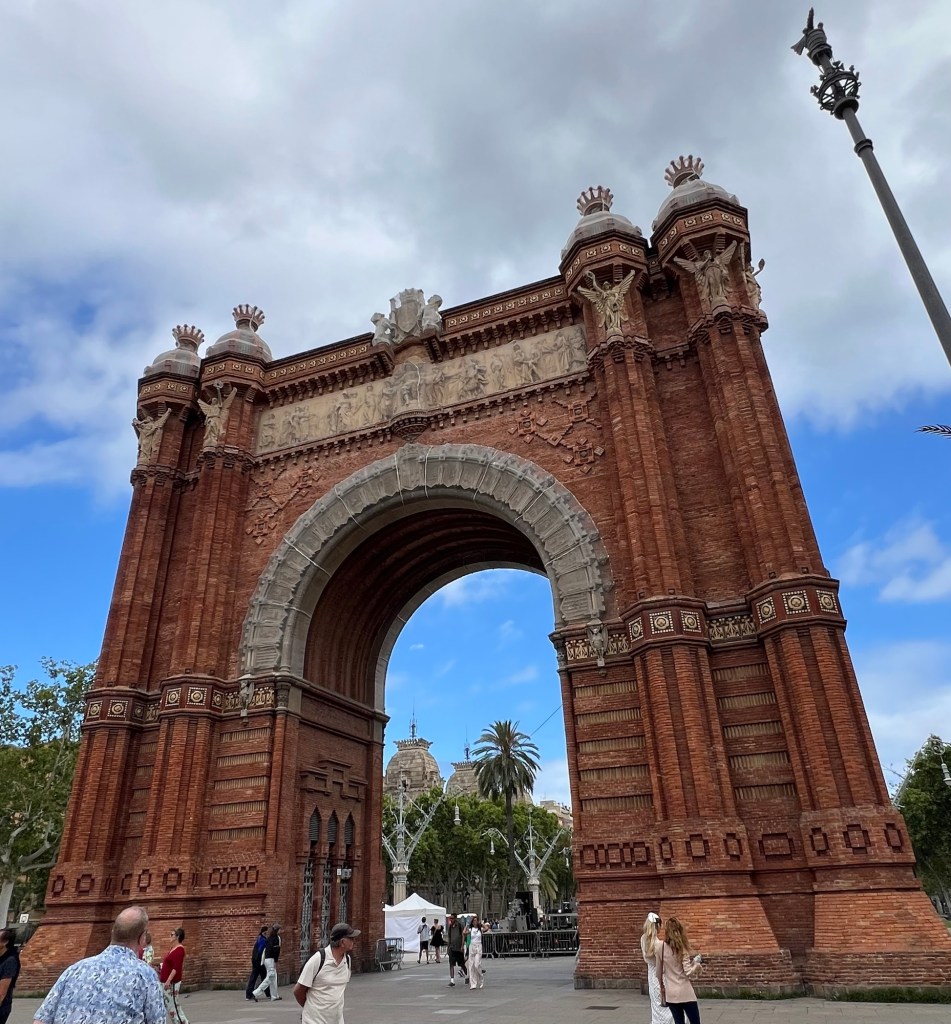
In 1888 Barcelona hosted the Universal Exhibition and the Arc de Triomf was built as the gateway to the fair. It has become one of the city’s iconic landmarks.
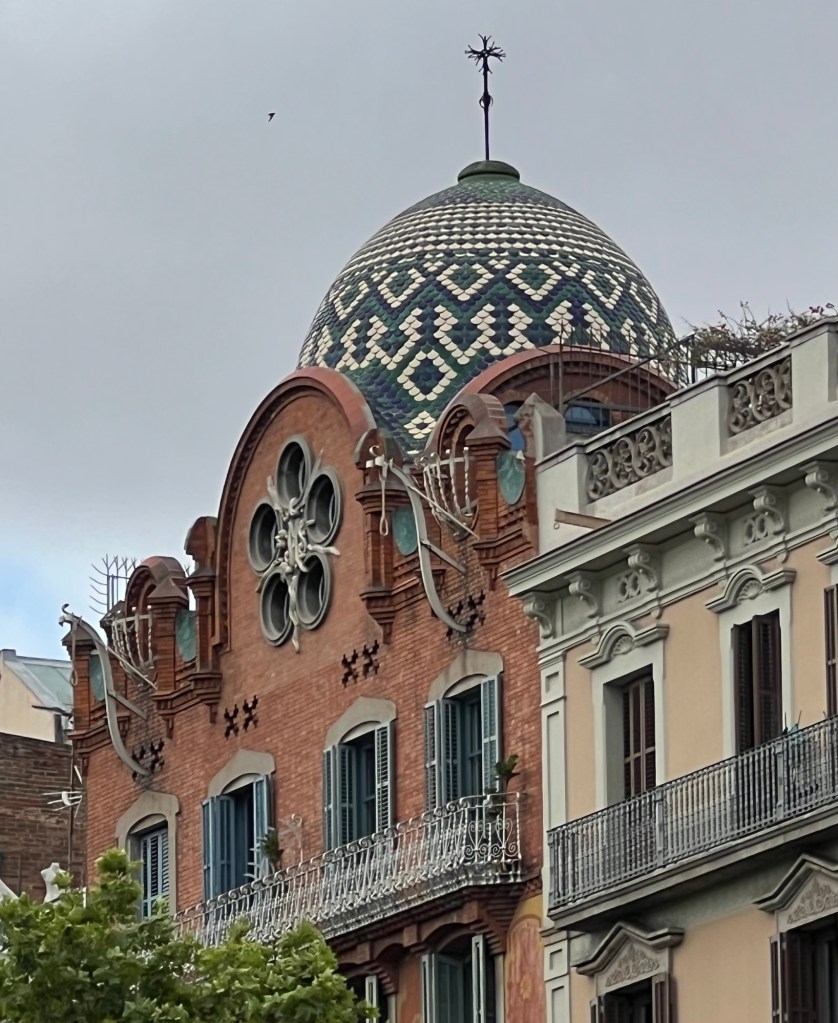
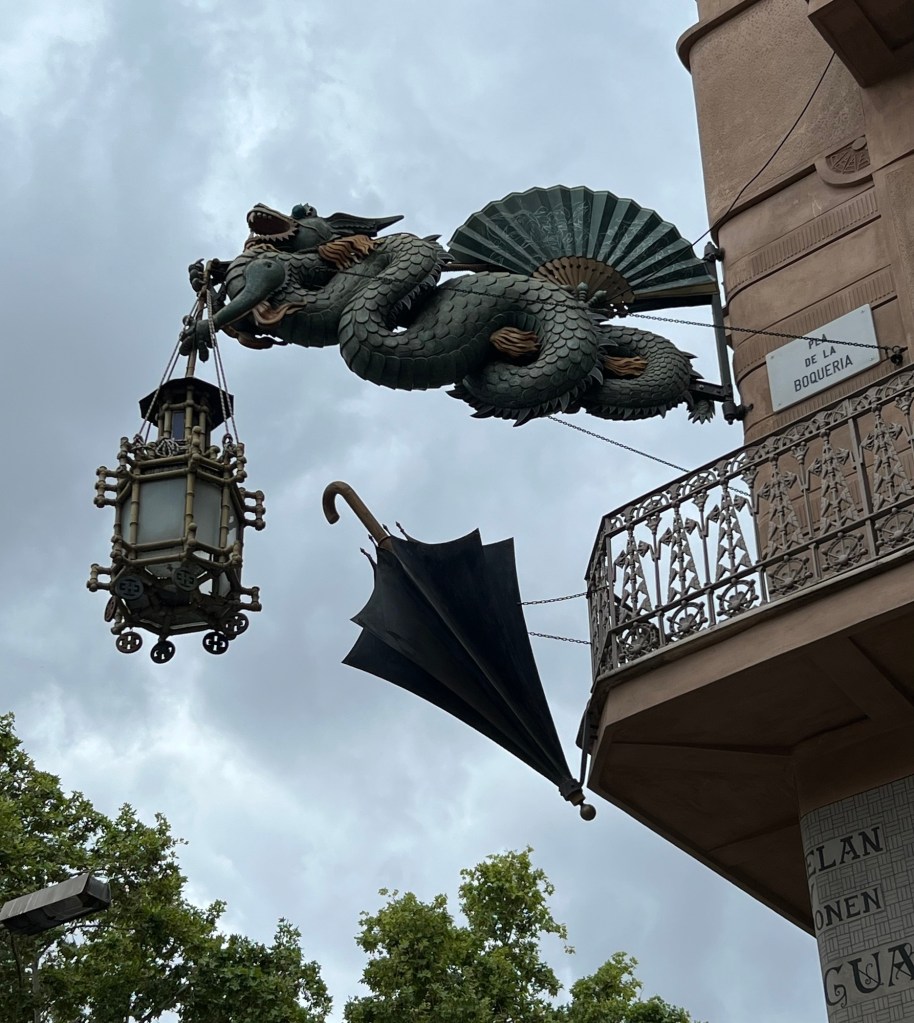
From its ancient Roman roots, to the Gothic and Modernisme movements, Barcelona has thrived through the way it ties together architecture and culture.
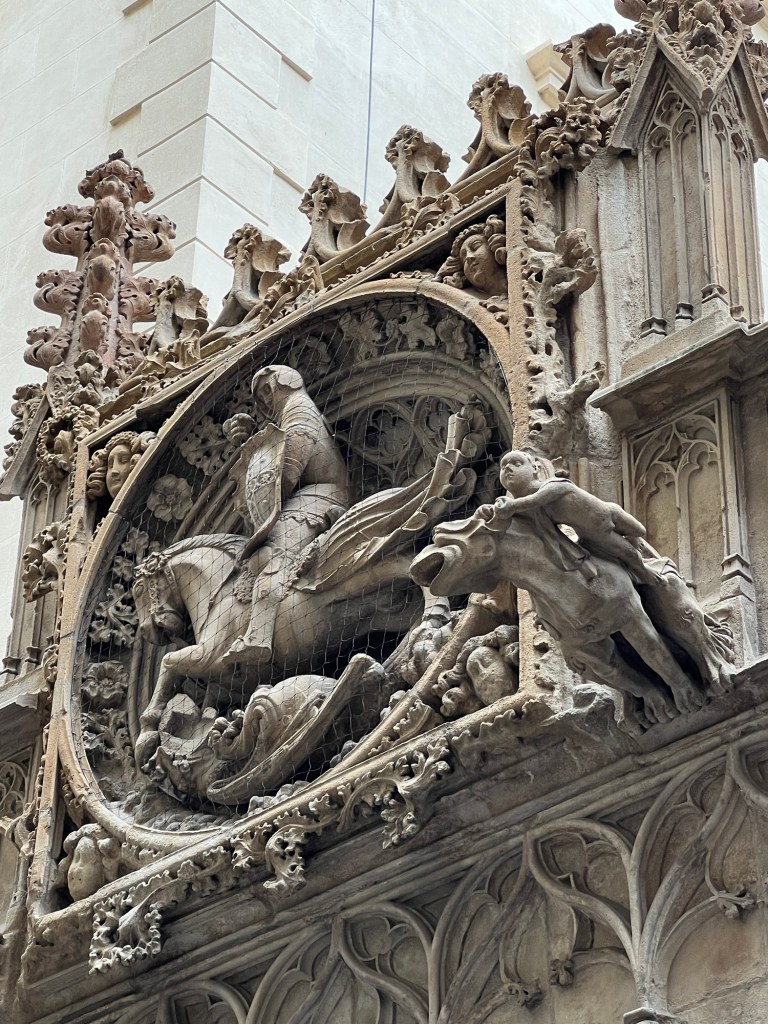
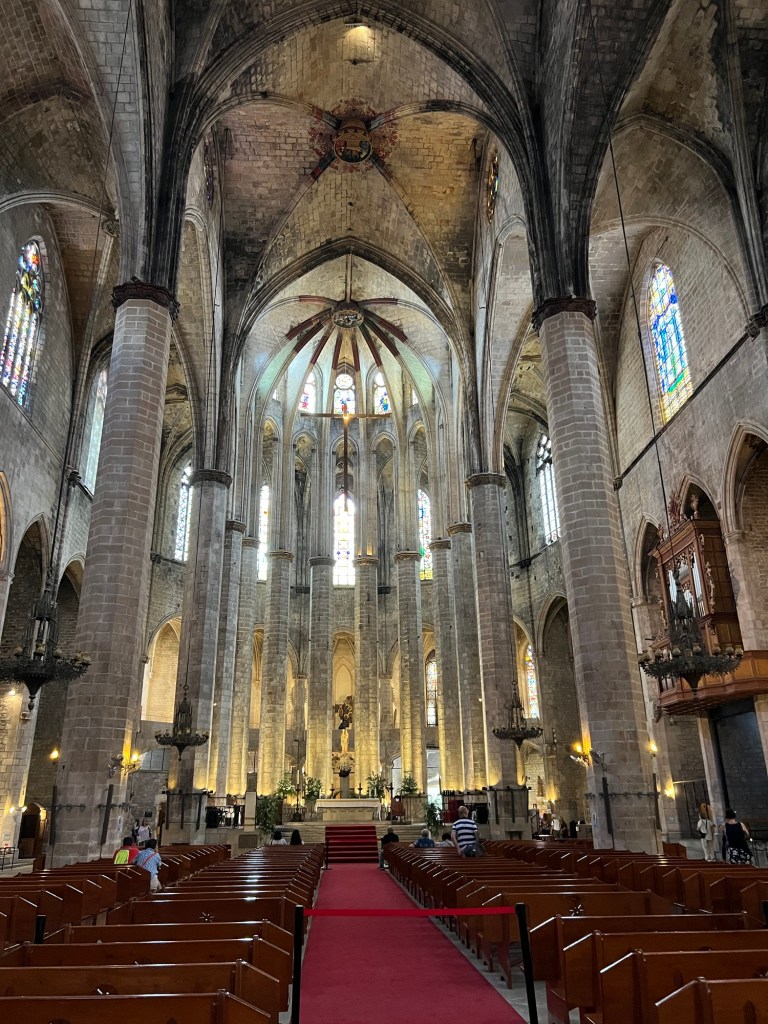
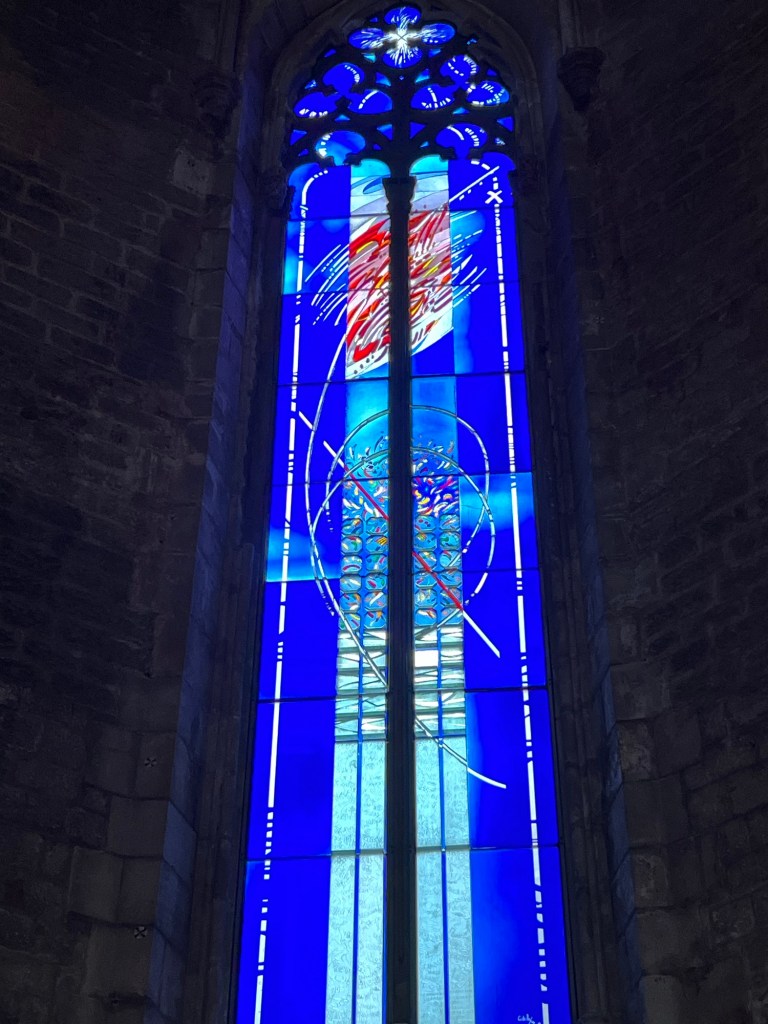
Basilica of Santa Maria del Mar was built in just 55 years, from 1329 to 1384, and is the only surviving church in the pure Catalan Gothic style.
 Tea with Tanner ...somewhere
Leave a comment