
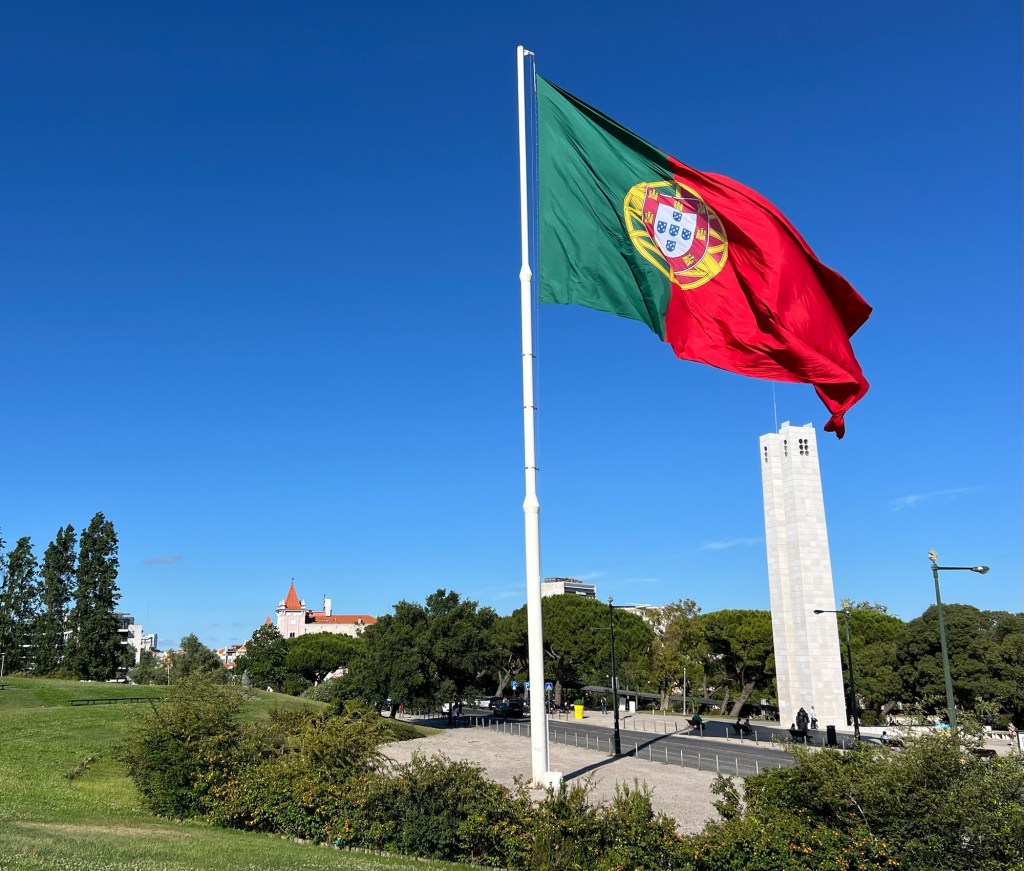
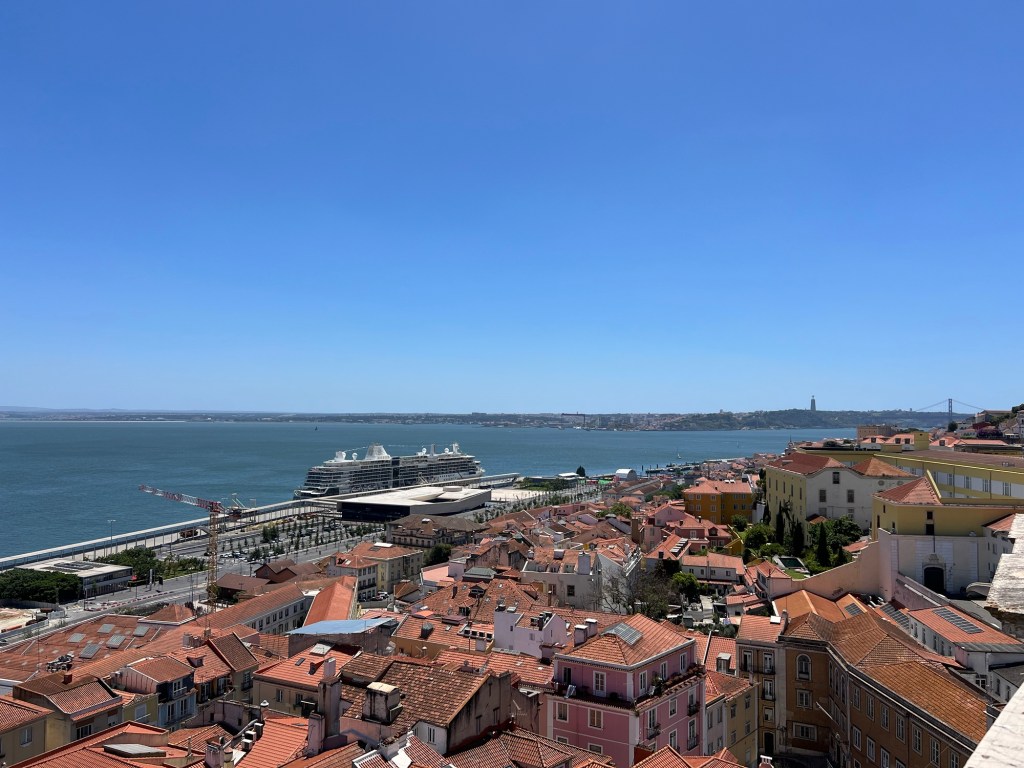
Lisbon is one of the oldest cities in the world and the second oldest European capital city (after Athens). Settlement c. 1200 BCE, Roman Olissipo c. 138 BCE, Moorish rule 711 CE, Siege of Lisbon 1147 CE, Portugal’s Capital city 1256 CE. About 2.9 million people live in the Lisbon Metropolitan area and it is recognised as an alpha-level global city because of its importance in finance, commerce, fashion, media, entertainment, arts, international trade, education and tourism.

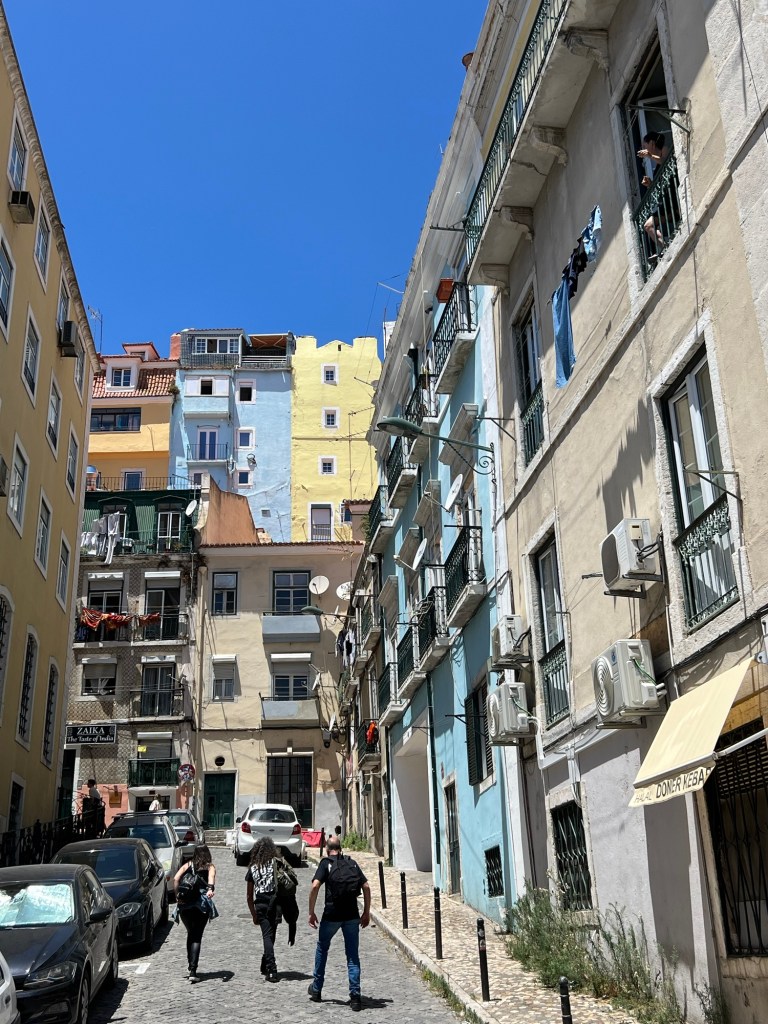
Steep streets up to the National Pantheon
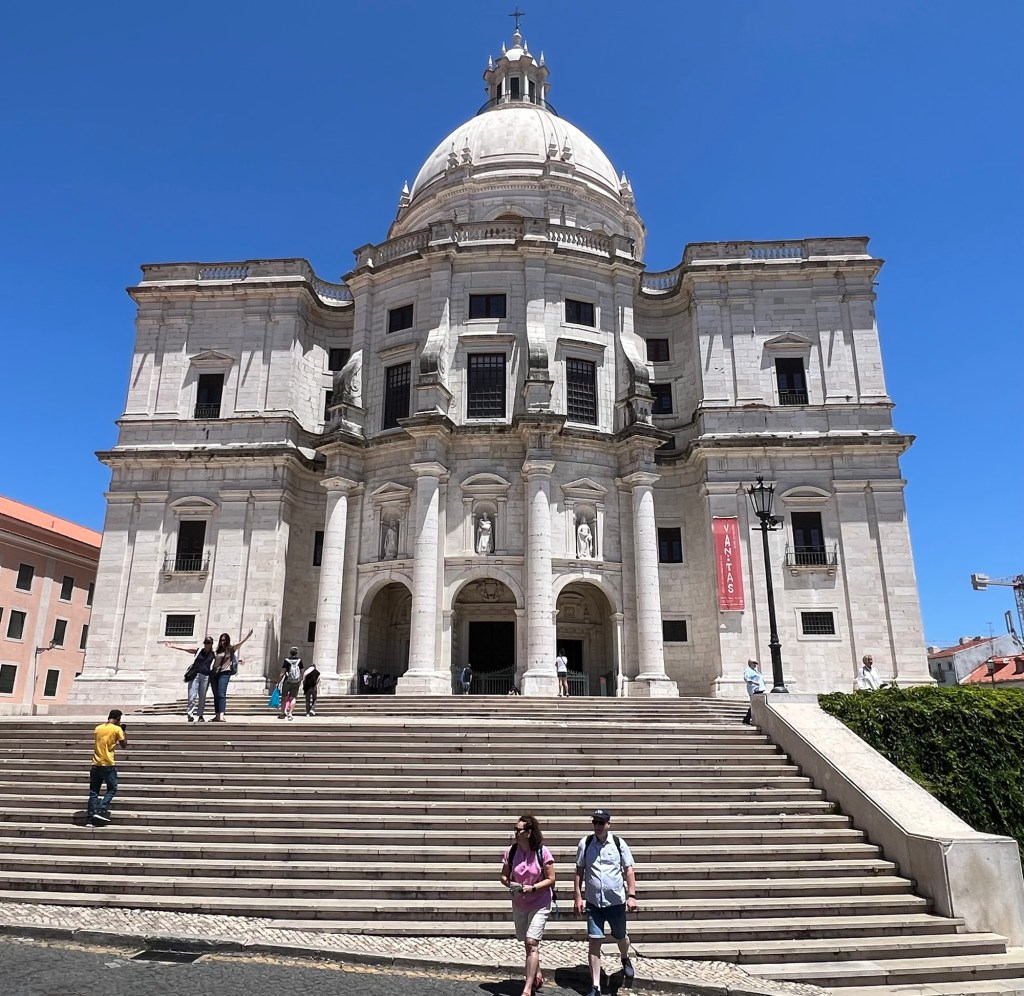
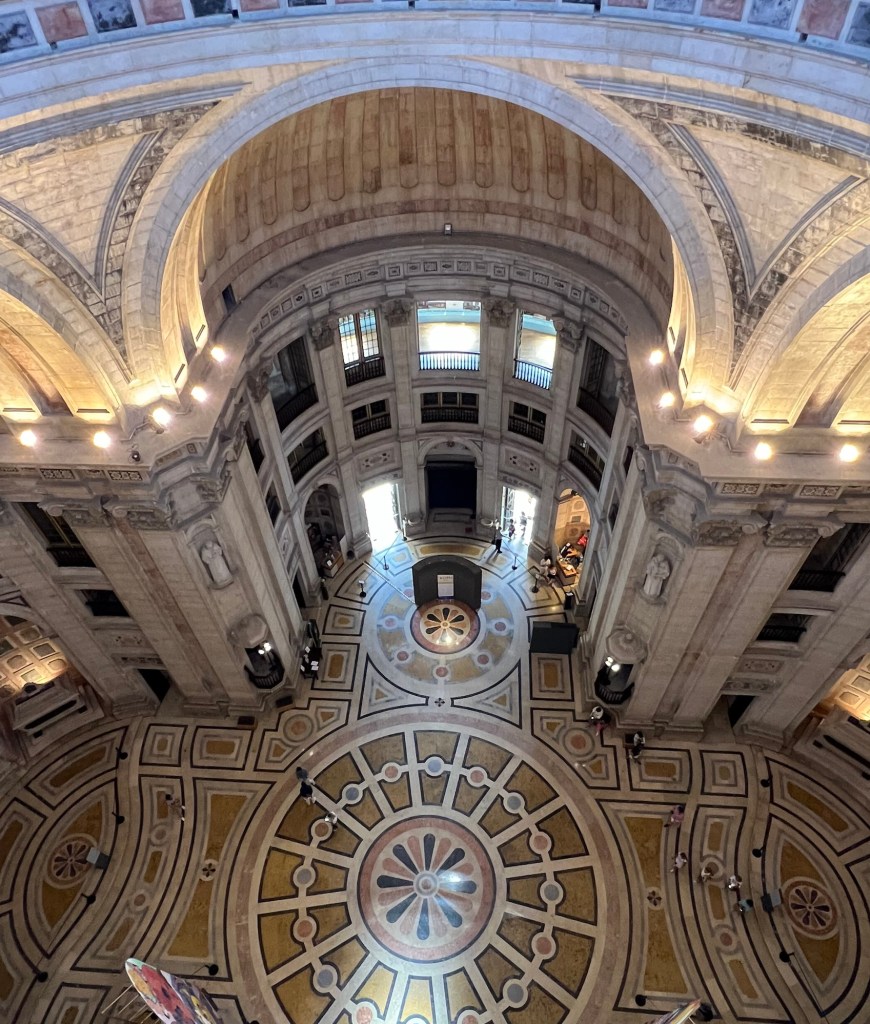
The Church of Santa Engracia was established in 1682. Originally a church, it was converted into the National Pantheon during 1916, in which important Portuguese personalities are honored.

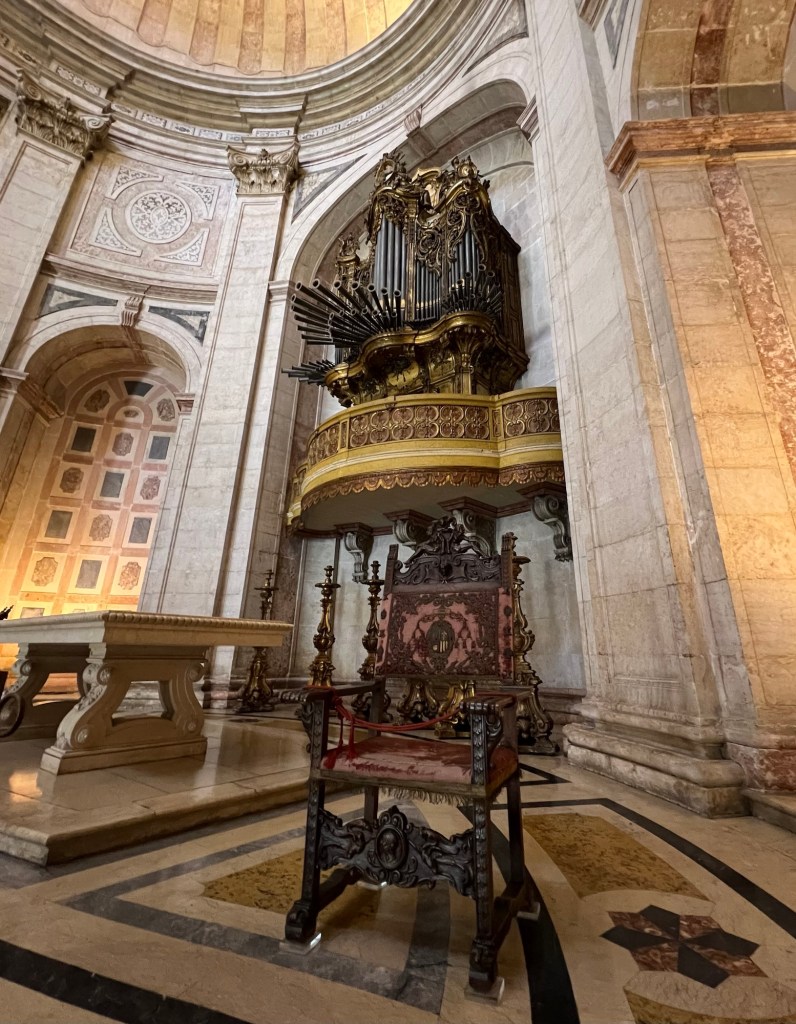
16th century, Spain, armchair and 18th century, Portugal, Joaquim Antonio Peres Fontanes (wall) organ

Monument evocative of an absent body erected in honor of: Vasco da Gama, Alfonso de Albuquerque, Nuno Alvares Pereira
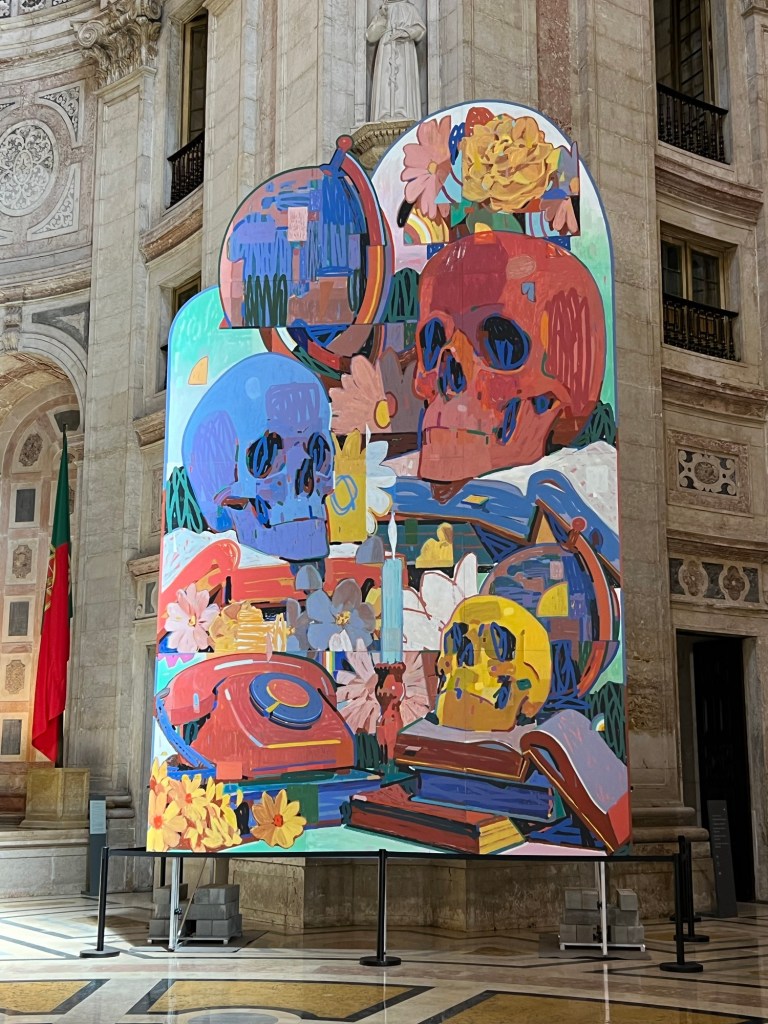
Vanitas paintings originated in the Netherlands during the 16th and 17th centuries and serve as poignant reminders of the transience of life and the inevitability of death. The essence of the Vanitas lies in the depiction of mundane objects (books, wilted flowers, extinguished candles and decaying fruit) juxtaposed with symbols of mortality such as skulls and hourglasses. Through this visual language the artists sought to convey the fleeting nature of earthly existence and the futility of the pursuit of tangible or material goods. However, in the midst of this reflection on mortality, an evaluation of the essence of life itself emerges.
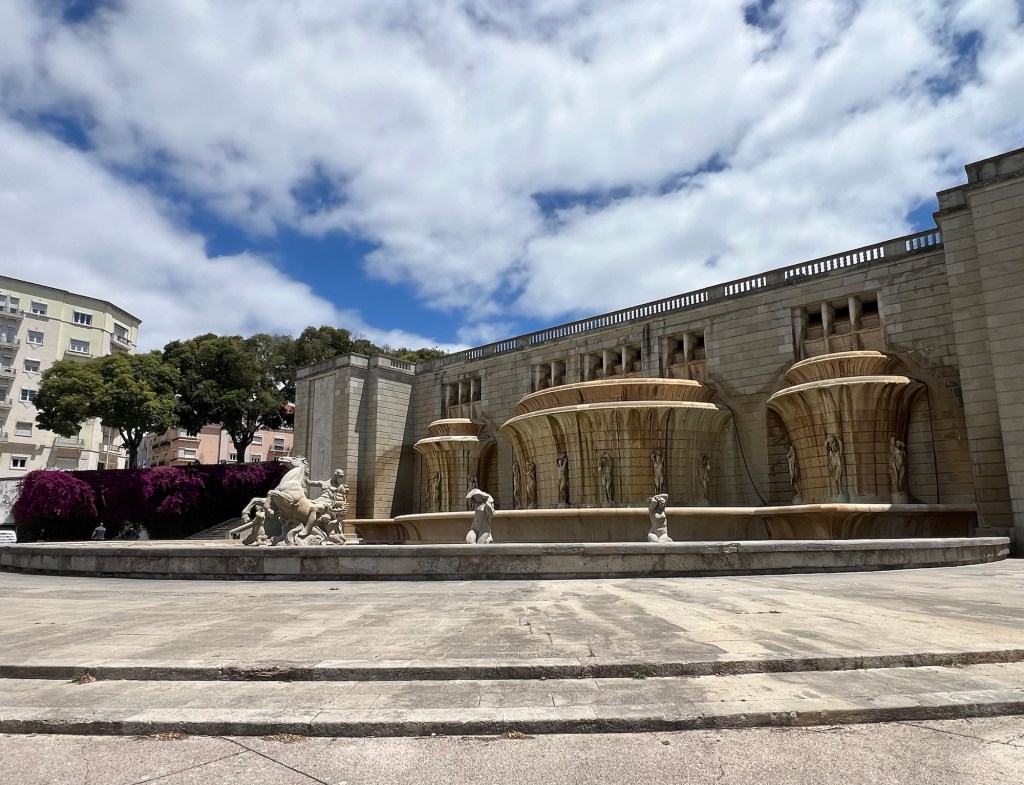
‘Due to the constant maintenance required (and to high costs), the fountain is not always working’, as was the case during my visit.

 Tea with Tanner ...somewhere
Leave a comment