
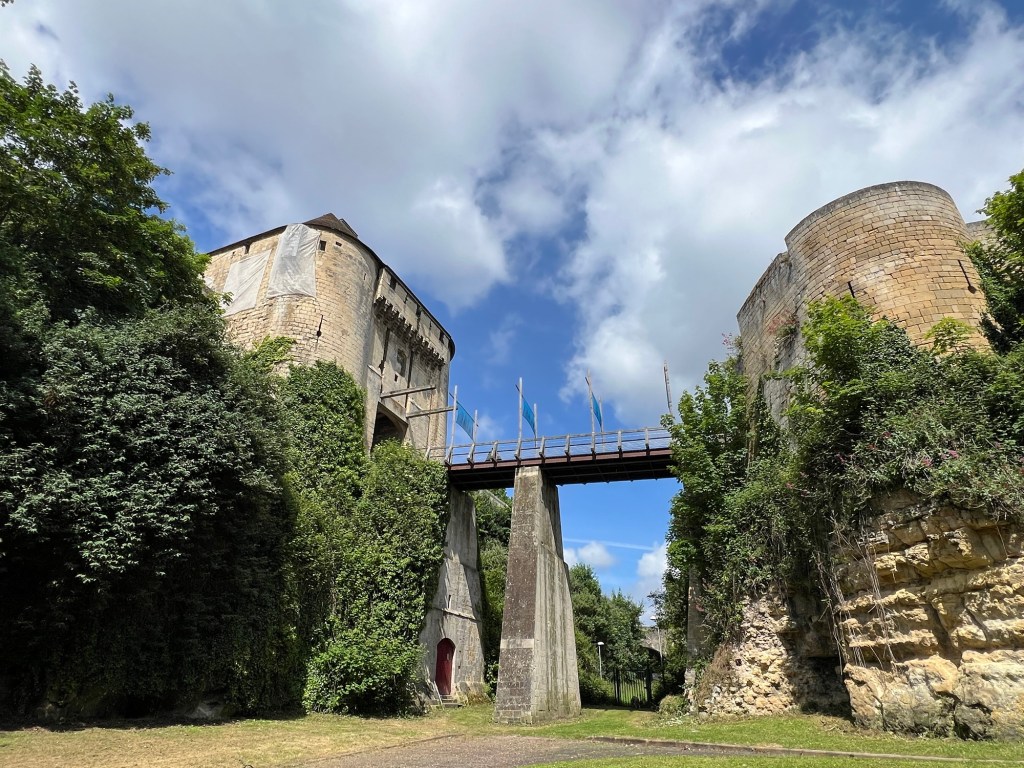
The Castle was built c 1060 by William the Conqueror. On Christmas 1182, a royal court celebration brought together Henry ll and his sons, Richard the Lionheart and John Lackland, receiving more than a thousand knights. With an area of 5.5 hectares, it is one of the largest castles in Western Europe. The castle, which was used as a barracks during World War ll, was bombed in 1944 and seriously damaged. Today the castle serves as a museum that houses the Museum of Fine Arts of Caen, Museum of Normandy, Saint George’s Church, a garden showing plants cultivated in the Middle Ages and a university located in the centre of the area.
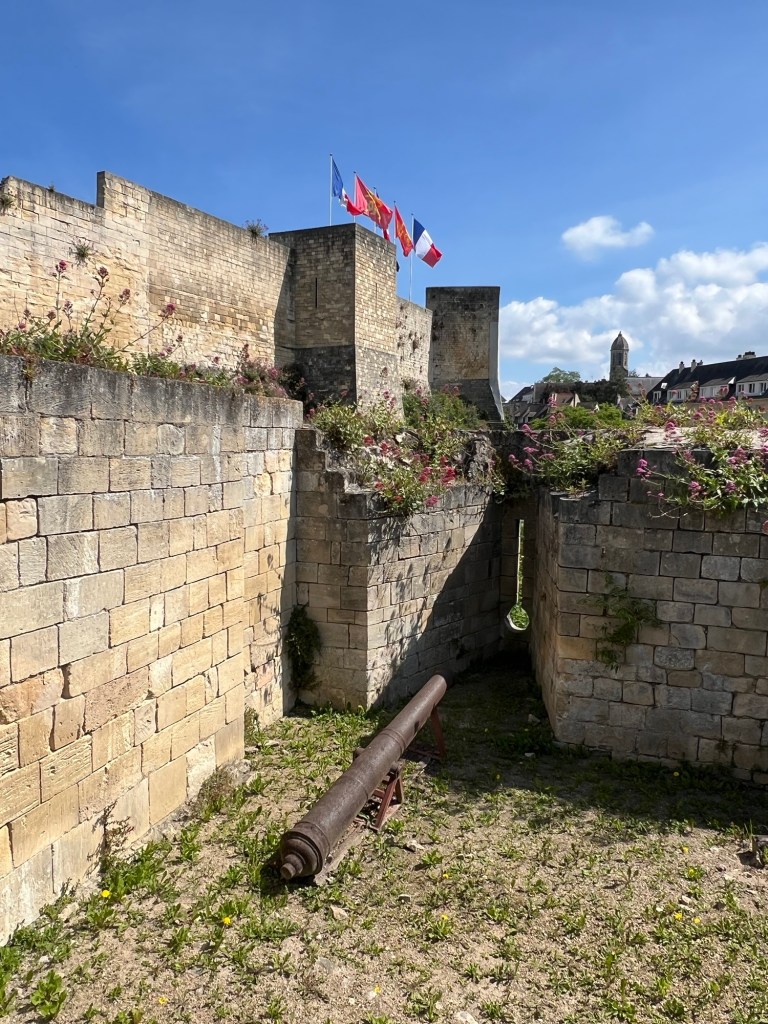
Weapons ready
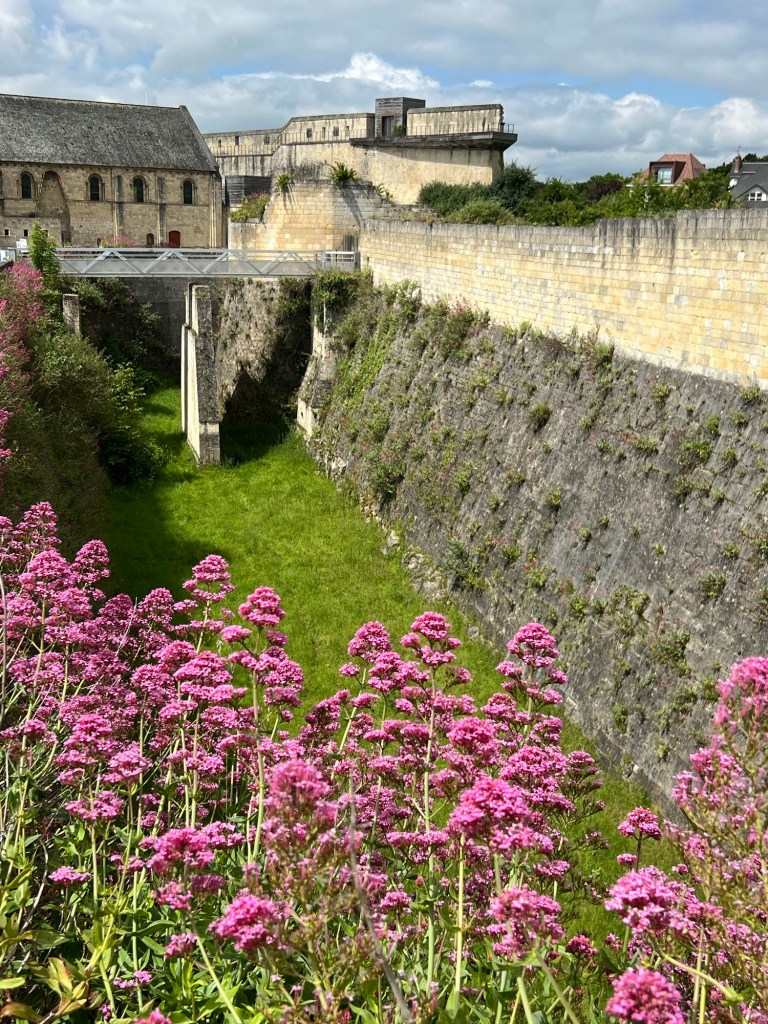
Overlooking a dry moat
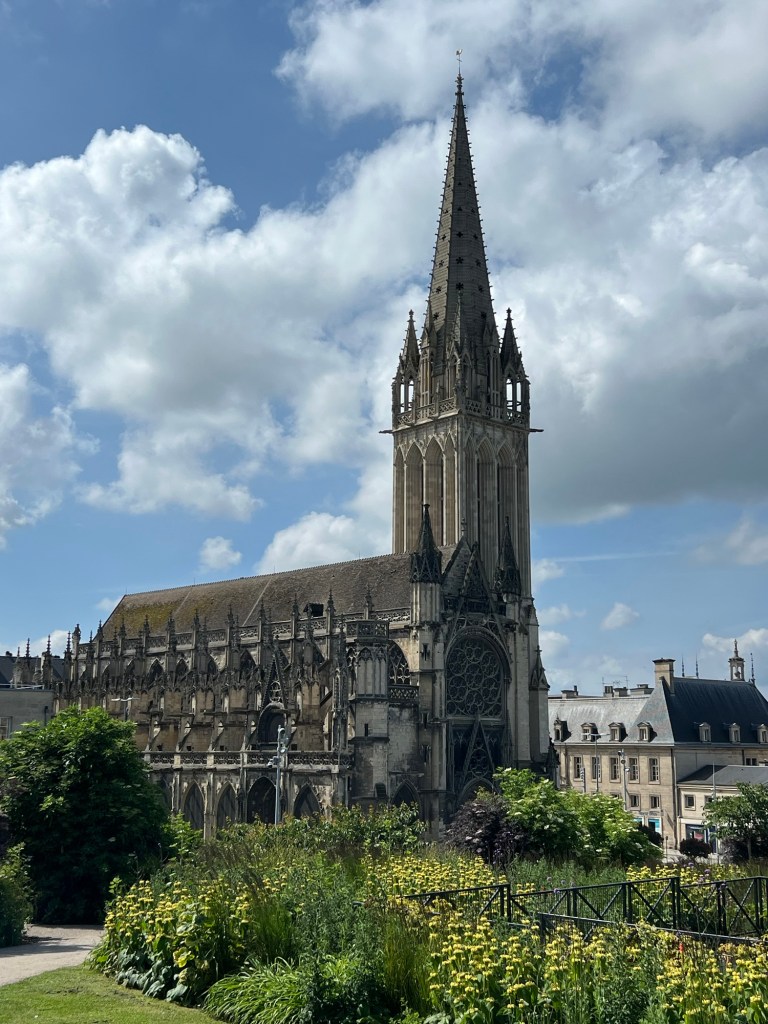

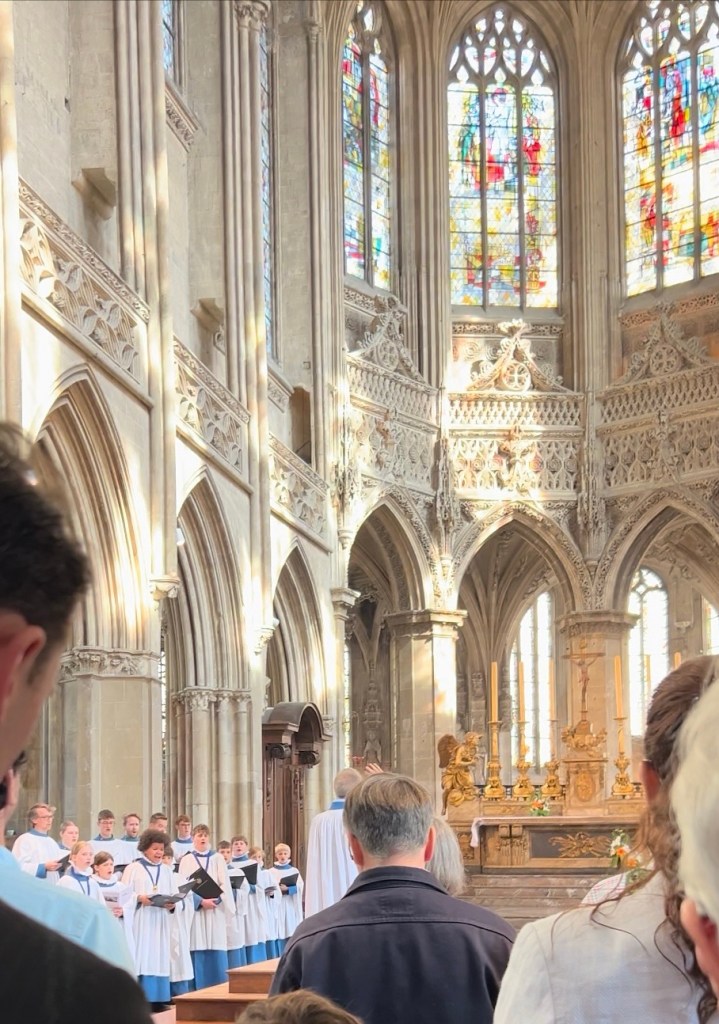
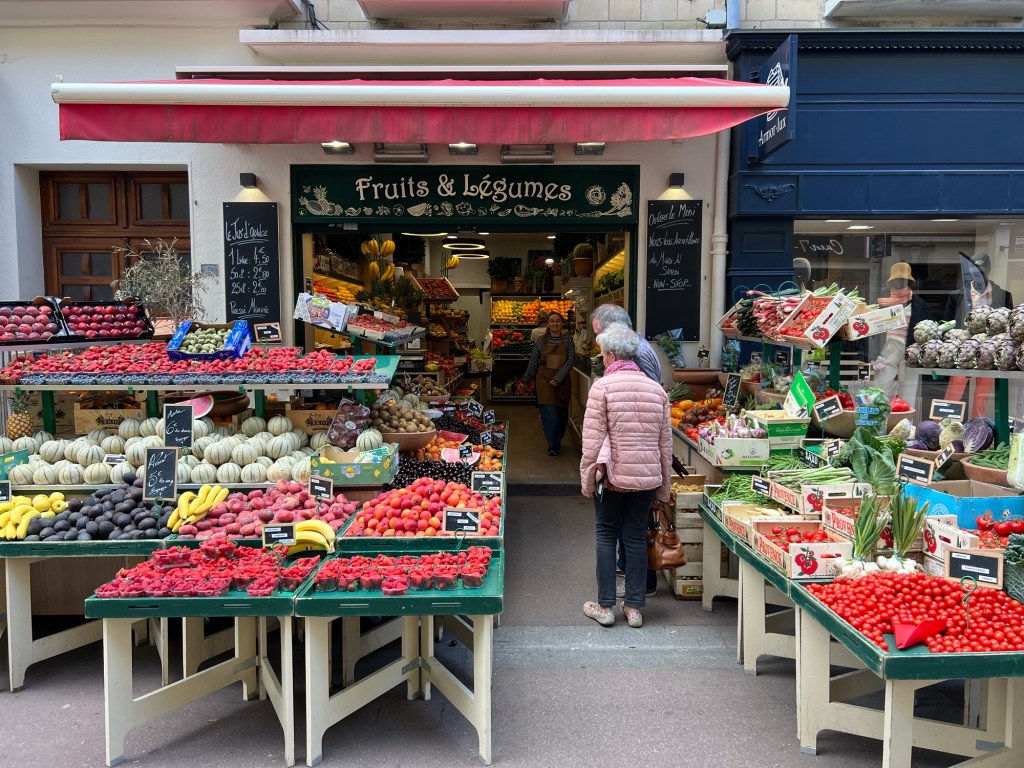
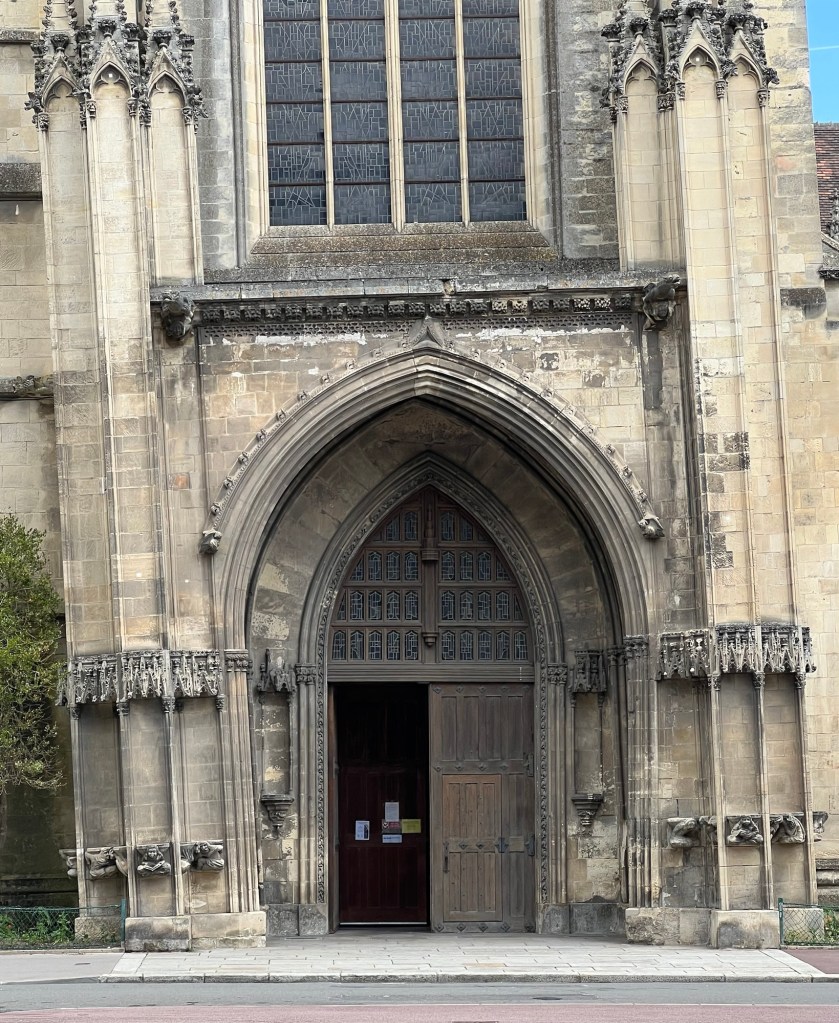
Church of Saint-Jean was founded in the seventh century on a Roman road crossing the marshes of the lower valley of the Orne.
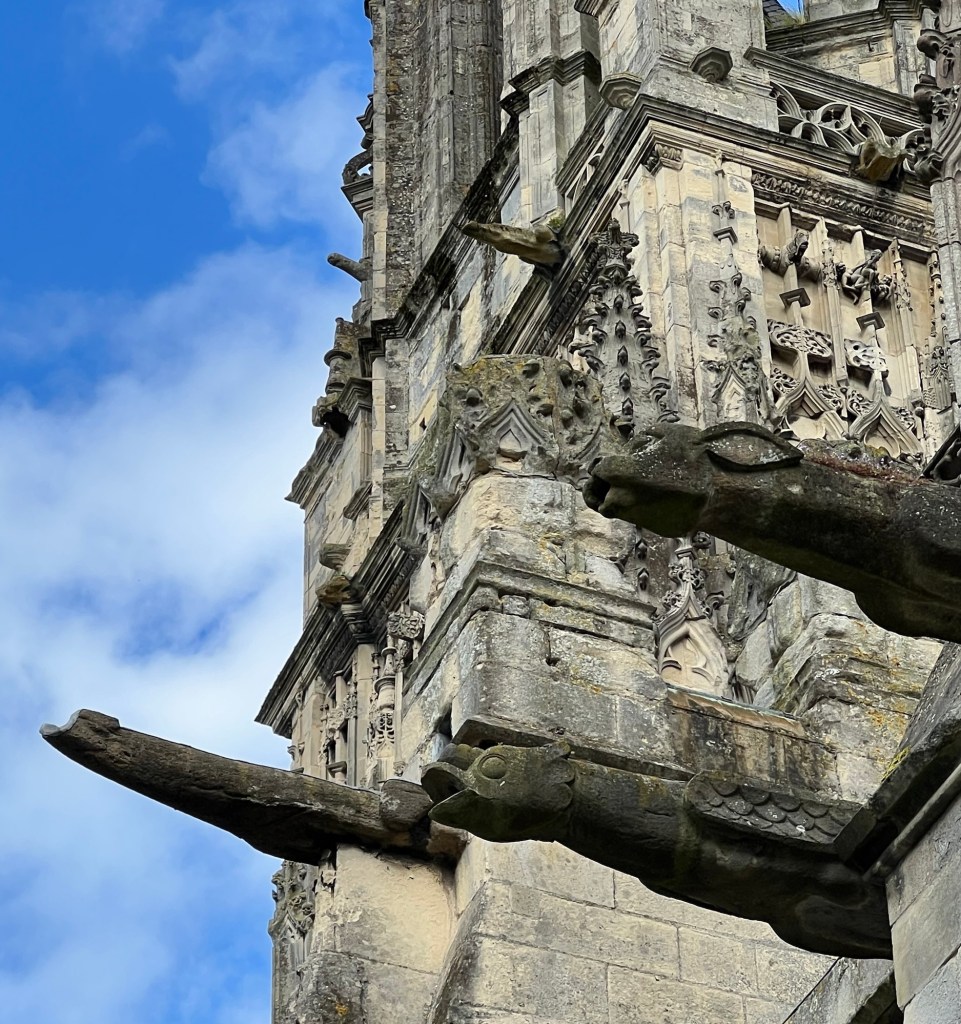
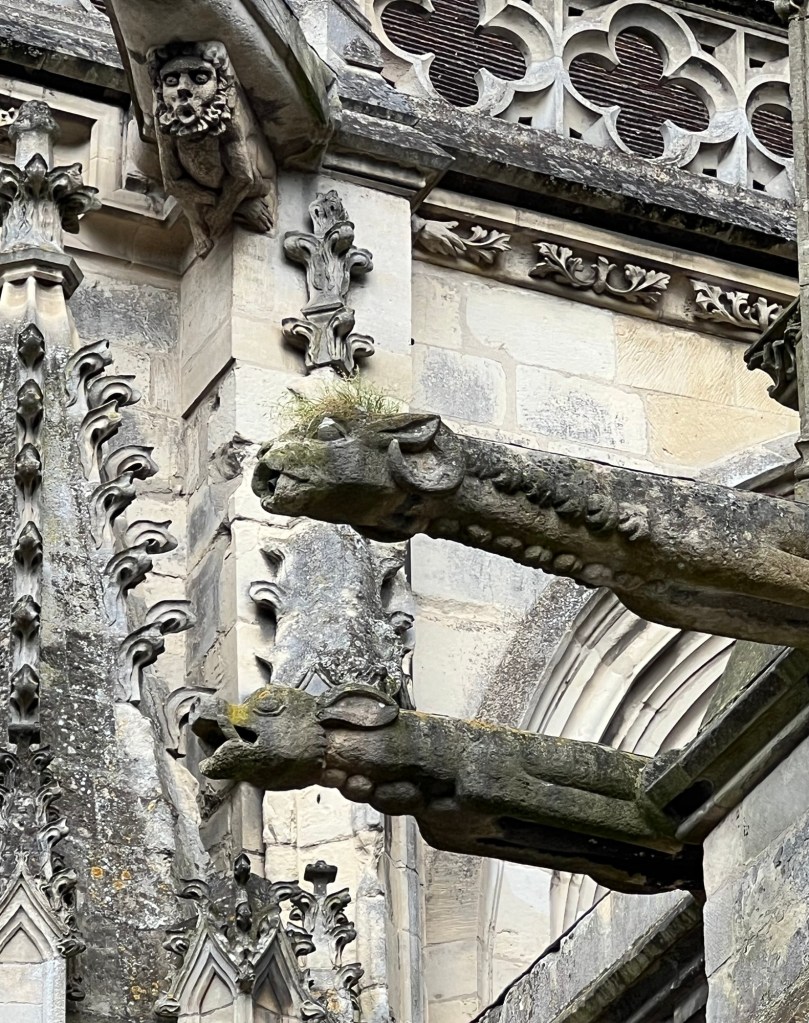
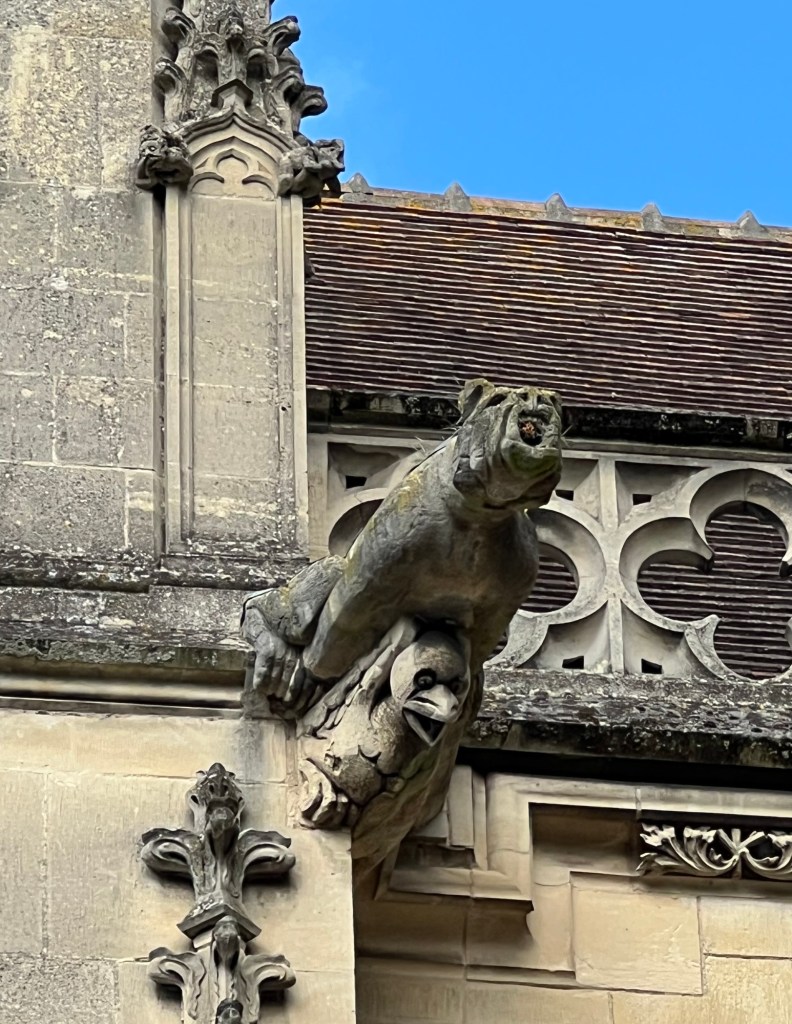
In architecture, and specifically Gothic architecture, a gargoyle is a carved or formed grotesque with a spout designed to convey water from a roof and away from the side of a building, thereby preventing it from running down masonry walls and eroding the mortar between.

A trough is cut in the back of the gargoyle and rainwater typically exits through the open mouth… then again, things can get askew over the centuries
 Tea with Tanner ...somewhere
Leave a comment